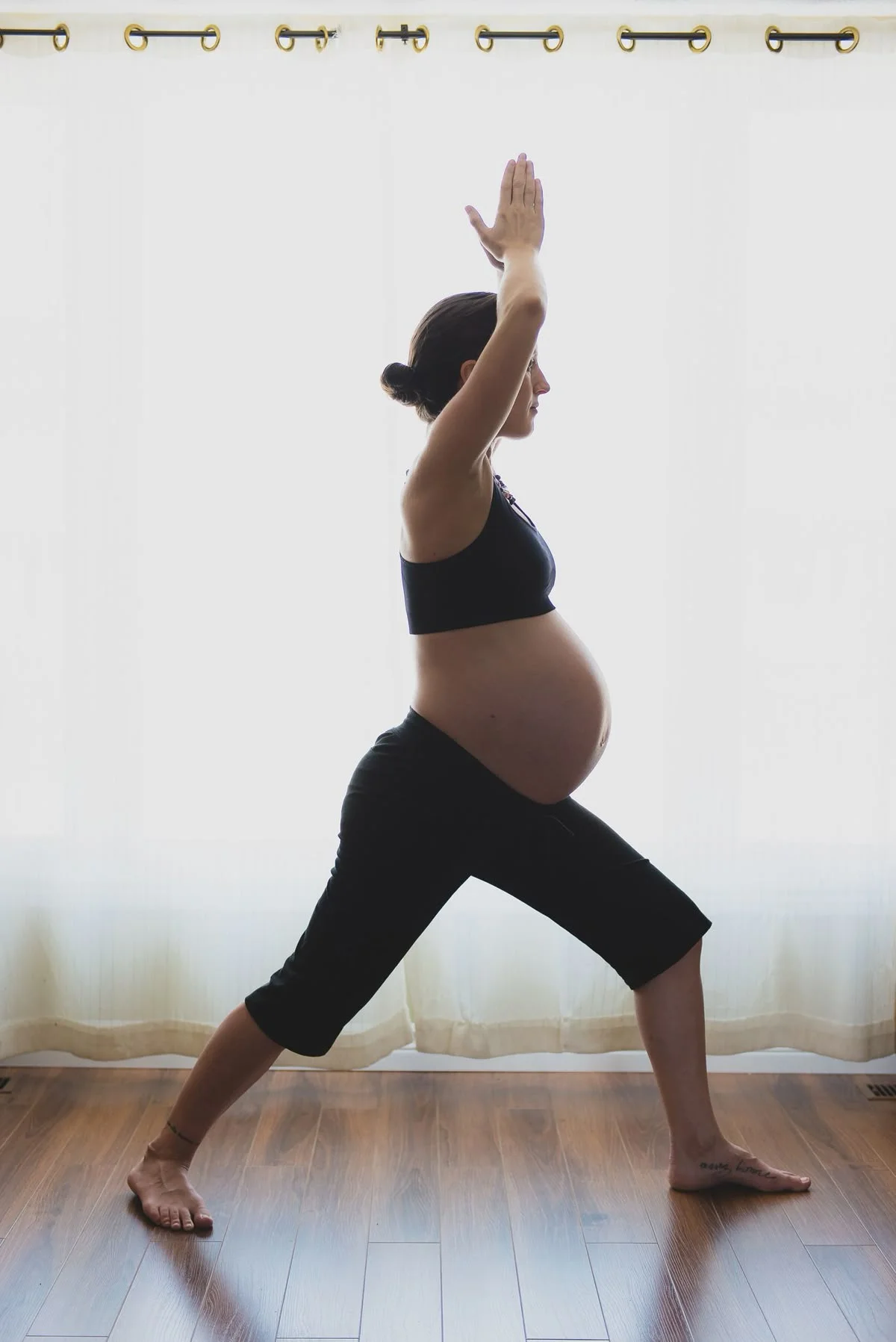
Welcome to the Sweet Spot of Pregnancy
For many pregnant people, weeks 13 through 27 feel like a turning point. The relentless nausea of the first trimester often fades, energy levels begin to climb, and the bump becomes wonderfully visible. This stretch is widely called the "golden trimester," and while that label is not universal (every pregnancy is different), it does offer a meaningful window to invest in your physical and emotional wellbeing before the more demanding final weeks arrive.
Whether you are newly entering your second trimester or already mid-way through it, this guide covers what is actually happening in your body, what to eat, how to move, and how to care for your mental health during this pivotal phase.
What Is Happening in Your Body Right Now
Between weeks 13 and 27, your baby transforms from a peach-sized being into a fully formed little person who can hear sounds, respond to light, and even hiccup. Meanwhile, your body is doing extraordinary work to support that growth.
- Your uterus expands rapidly, rising out of your pelvis and into your abdomen, which often relieves early bladder pressure but introduces new sensations like round ligament pain.
- Blood volume increases by up to 50 percent, which means your heart works harder and your need for iron and folate rises significantly.
- Your centre of gravity shifts, which can affect posture, balance, and lower back comfort long before the third trimester arrives.
- Hormones stabilise somewhat, which is a key reason why mood and energy often improve after the first trimester fog.
Understanding these changes helps you make sense of symptoms that might otherwise feel alarming, and it helps you make proactive choices about nutrition, movement, and rest.
Nutrition in the Second Trimester
Caloric needs increase during pregnancy, but the second trimester is not a dramatic leap. Most guidelines suggest an additional 340 calories per day in the second trimester, rising slightly in the third. More important than quantity, however, is quality.
Iron: Your Most Critical Nutrient Right Now
Iron-deficiency anaemia is one of the most common nutritional concerns during pregnancy, and the second trimester is when demand accelerates. Your expanding blood volume and your baby's own iron stores both depend on adequate intake. The National Institute of Child Health and Human Development recommends 27 mg of iron per day during pregnancy, compared to 18 mg for non-pregnant adults.
Good sources include lean red meat, lentils, tofu, fortified cereals, and dark leafy greens. Pair plant-based iron sources with vitamin C-rich foods (like bell peppers or citrus) to enhance absorption, and avoid consuming iron-rich foods alongside calcium-heavy foods or coffee, which can inhibit uptake.
Omega-3 Fatty Acids for Brain Development
The second trimester is a period of rapid fetal brain development. Research from the National Institutes of Health Office of Dietary Supplements highlights that DHA (docosahexaenoic acid), a type of omega-3, is critical for fetal neurological and visual development. Aim for two to three servings per week of low-mercury fish such as salmon, sardines, or trout. If you are vegetarian or vegan, algae-based DHA supplements are a well-supported alternative.
Calcium and Vitamin D
Your baby's skeleton is hardening during this trimester, making calcium intake essential. If your diet does not supply enough, your body will draw calcium from your own bones. Pair calcium-rich foods like dairy, fortified plant milks, and almonds with adequate vitamin D (from safe sun exposure, fatty fish, or a supplement) for optimal absorption. Many prenatal vitamins include both, but it is worth checking your levels with your midwife or OB.
Second Trimester Nutrition Snapshot
- Add approximately 340 extra calories per day from nutrient-dense sources
- Prioritise iron (27 mg/day) and pair with vitamin C for absorption
- Eat DHA-rich foods or take an algae-based supplement for fetal brain health
- Keep calcium and vitamin D intake consistent to support bone development
- Stay well hydrated - aim for at least 8 to 10 glasses of water daily
Movement and Exercise in the Second Trimester
If the first trimester had you glued to the sofa, you are not alone. But the second trimester is often when movement becomes genuinely enjoyable again. Exercise during pregnancy is not only safe for most people, it is actively beneficial.
"Regular moderate-intensity physical activity during the second trimester is associated with reduced risk of gestational diabetes, preeclampsia, and excessive gestational weight gain. It also supports mood and sleep quality significantly." - Dr. Raul Artal, MD, Professor Emeritus of Obstetrics, Gynaecology and Women's Health, Saint Louis University School of Medicine
The American College of Obstetricians and Gynecologists (ACOG) recommends at least 150 minutes of moderate-intensity aerobic activity per week during an uncomplicated pregnancy. Walking, swimming, stationary cycling, and prenatal yoga are all excellent options in the second trimester.
Safe Exercise Guidelines
- Avoid lying flat on your back for extended periods after week 20, as this can compress the vena cava and reduce blood flow.
- Skip high-impact contact sports or activities with a fall risk as your balance shifts.
- Listen to your body: breathlessness where you cannot hold a conversation is a signal to ease off.
- Warm up properly and cool down gradually to prevent dizziness from blood pooling in the lower limbs.
Strength Training: More Beneficial Than You May Think
Many pregnant people shy away from resistance training unnecessarily. Modified strength work, using lighter weights or bodyweight movements, helps maintain muscle tone, supports posture as your centre of gravity shifts, and can ease common second-trimester complaints like back pain. Focus on glute strengthening, upper back work, and core stability exercises designed for pregnancy (rather than traditional crunches or planks in later weeks).
Common Second Trimester Symptoms and How to Manage Them
Round Ligament Pain
That sharp, stabbing sensation in your lower abdomen or groin when you move suddenly? That is most likely round ligament pain, caused by the stretching of the ligaments that support your growing uterus. It is harmless but can be startling. Slowing down sudden movements, supporting your belly when you stand up, and gentle stretching can all help. If pain is severe or persistent, always check with your provider to rule out other causes.
Heartburn and Indigestion
As your uterus grows, it pushes against your stomach, making heartburn increasingly common. Eating smaller, more frequent meals, avoiding lying down immediately after eating, and raising the head of your bed slightly can provide relief. Speak with your provider before using antacids, as some formulations are not recommended during pregnancy.
Leg Cramps
Nocturnal leg cramps affect a significant proportion of pregnant people, particularly in the second and third trimesters. While the exact cause is not fully understood, adequate hydration, stretching before bed, and ensuring sufficient magnesium intake may help reduce their frequency.
Swelling (Oedema)
Mild swelling of the ankles and feet is normal as blood volume increases. Elevating your feet when resting, wearing comfortable supportive footwear, and avoiding prolonged standing all help. However, sudden or severe swelling of the hands and face should be reported to your provider immediately, as it can be a sign of preeclampsia.
Emotional Wellbeing in the Second Trimester
The relative hormonal stability of the second trimester can bring emotional relief after the intensity of the first. But this phase also brings its own psychological terrain: the reality of impending parenthood can feel both thrilling and daunting as your pregnancy becomes visibly undeniable.
"The second trimester is often when identity shifts in pregnancy become most conscious. People start thinking deeply about who they will be as a parent, how their relationships will change, and what they may be leaving behind. This is healthy reflection, not anxiety to be suppressed." - Dr. Alexandra Sacks, MD, Reproductive Psychiatrist and Author, Columbia University Medical Center
Navigating Body Image
Your body is changing rapidly and visibly. While many people experience a sense of pride and connection with their bump, others struggle with body image shifts that can be genuinely difficult. It helps to reframe your body as capable and purposeful rather than measuring it against pre-pregnancy standards. Seeking community, whether through a prenatal class, an online group, or a trusted friend, can also be grounding during this time.
Relationship Changes
Pregnancy reshapes partnerships, friendships, and family dynamics. The second trimester, with its greater physical ease, is a good time to invest in important relationships: to have honest conversations with your partner about parenting expectations, to connect with other expectant parents, and to seek support if any relationship feels strained or unsafe.
Mindfulness and Stress Reduction
Chronic stress during pregnancy is associated with a range of outcomes including preterm labour and low birth weight. Gentle mindfulness practices, even ten minutes of daily breathing exercises or body scanning, have been shown to reduce cortisol levels and improve subjective wellbeing. Prenatal yoga classes often incorporate both physical and mindfulness elements, making them especially valuable in the second trimester.
Prenatal Appointments and Screenings to Know About
The second trimester includes several important milestones in your prenatal care schedule. Being informed about these helps you feel prepared rather than passive in your care.
- Anatomy scan (around 18 to 22 weeks): A detailed ultrasound that checks fetal anatomy, the position of the placenta, and amniotic fluid levels. This is often the appointment where parents choose to learn their baby's sex.
- Glucose challenge test (typically 24 to 28 weeks): Screens for gestational diabetes, which can develop in the second trimester even in people without prior risk factors.
- Blood pressure monitoring: Preeclampsia can begin in the second trimester, and regular blood pressure checks are an important safety net.
Keep a running list of questions for each appointment. No question is too small, and your provider wants you informed and engaged in your care.
Key Statistics and Sources
- Pregnant people need approximately 27 mg of iron per day, up from 18 mg pre-pregnancy. NICHD
- Blood volume increases by up to 50 percent during pregnancy, driving increased nutrient demands. StatPearls, NCBI
- ACOG recommends at least 150 minutes of moderate aerobic activity per week throughout an uncomplicated pregnancy. ACOG
- DHA plays a critical role in fetal brain and retinal development, particularly from the second trimester onward. NIH Office of Dietary Supplements
- Gestational diabetes affects 6 to 9 percent of pregnancies in the United States, with screening typically occurring at 24 to 28 weeks. CDC
- Mindfulness-based stress reduction programmes have been shown to significantly reduce prenatal anxiety and improve wellbeing. NCBI