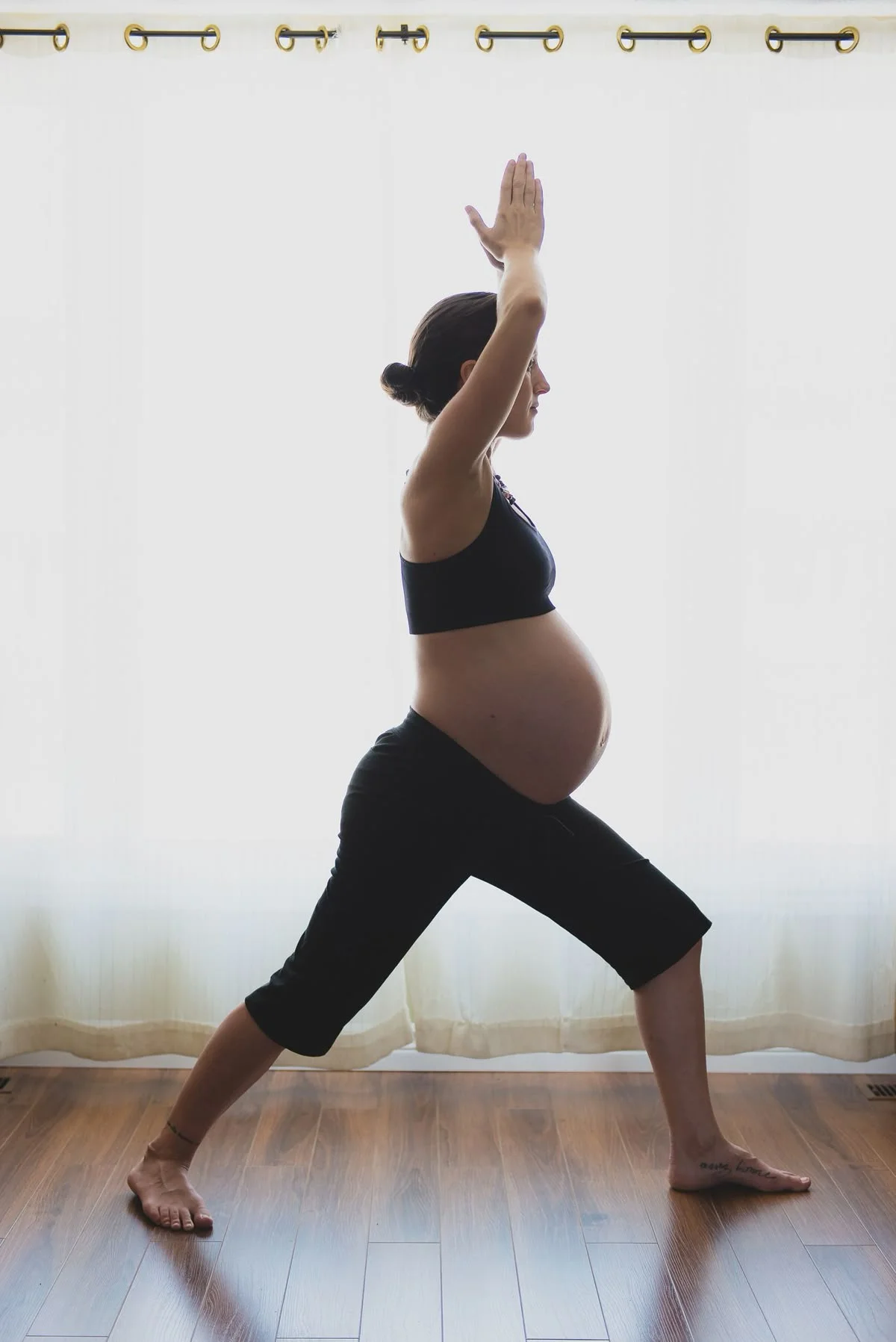
Pregnancy transforms your body in profound ways, week by week. Prenatal yoga is one of the most gentle and effective tools to move with those changes rather than against them. It builds strength where you need it, creates space where things feel tight, and offers a moment of calm in what can feel like a whirlwind.
Whether you have never stepped onto a yoga mat or had an existing practice before pregnancy, this guide walks you through what prenatal yoga looks like at each stage, and why it matters for both you and your baby.
Why Should You Do Prenatal Yoga During Pregnancy?
Unlike general fitness classes, prenatal yoga is designed specifically for the pregnant body. Poses are adapted to protect your joints, support your changing centre of gravity, and avoid any compression on your abdomen. Beyond the physical, it helps regulate the nervous system, which is particularly valuable when anxiety and sleeplessness are common.
Research consistently shows that regular prenatal yoga can:
- Reduce lower back pain and pelvic discomfort
- Improve sleep quality
- Decrease stress and anxiety levels
- Strengthen the muscles used in labour and delivery
- Help with breath control and pain management during birth
If you are ready to start, Eve offers trimester-specific prenatal yoga sessions designed by certified prenatal specialists. Explore Eve's prenatal yoga feature to begin practising safely at any stage of pregnancy.
What Prenatal Yoga Poses Are Safe in the First Trimester?
The first trimester is often the most surprising. Fatigue and nausea can make any kind of movement feel like a lot. Listen to your body above everything else. Short, gentle sessions of 15 to 20 minutes are perfectly sufficient.
At this stage, focus on:
- Breath awareness — learning to connect with your breath is the foundation of everything that follows
- Gentle hip openers like Butterfly and Cat-Cow to ease tension in the lower back
- Restorative poses on days when energy is low
Avoid deep twists and any lying flat on your back for extended periods. Keep the practice nourishing, not depleting.
What Yoga Is Best in the Second Trimester of Pregnancy?
For many mothers, the second trimester brings a welcome surge of energy. Your bump is becoming more visible, and movement often starts to feel joyful again. This is the ideal time to deepen your prenatal practice.
Great poses for this trimester include:
- Warrior II and side angle for building leg and hip strength
- Wide-legged standing poses to create space in the pelvis
- Supported triangle pose for the hips and spine
- Hands and knees positions to relieve pressure on the lower back
Begin modifying any poses that compress the belly. A yoga block or bolster becomes your best friend.
- Your centre of gravity shifts — use a wall or chair for balance when needed
- Avoid lying flat on your back for more than a few seconds
- Props are your allies, not a sign of weakness
- Breathe into your ribcage rather than your belly as it grows
How Does Yoga Help in the Third Trimester of Pregnancy?
As your baby grows and your body prepares for birth, the pace of your practice naturally slows. This is not a step back but a deepening inward. The third trimester is about preparing for labour, releasing fear, and honouring how far you have come.
Prioritise:
- Pelvic floor awareness — learning both how to engage and how to fully release
- Supported squats to open the pelvis and encourage optimal baby positioning
- Side-lying relaxation poses to rest the body and calm the mind
- Breathing techniques that you can draw on during labour
Sleep and rest are now part of your practice too. Never underestimate the value of doing less.
"Prenatal yoga teaches mothers to breathe through discomfort rather than resist it. That skill is one of the most powerful things a woman can take into the birthing room." — Oihana Bidermann, Certified Prenatal Yoga Instructor
Is Prenatal Yoga Safe? Poses to Avoid During Pregnancy
Always let your midwife or doctor know you are practising yoga during pregnancy, particularly if you have any complications. Avoid hot yoga, strong inversions, and poses that require lying flat on your back after the first trimester. Move at your own pace and stop if anything feels uncomfortable.