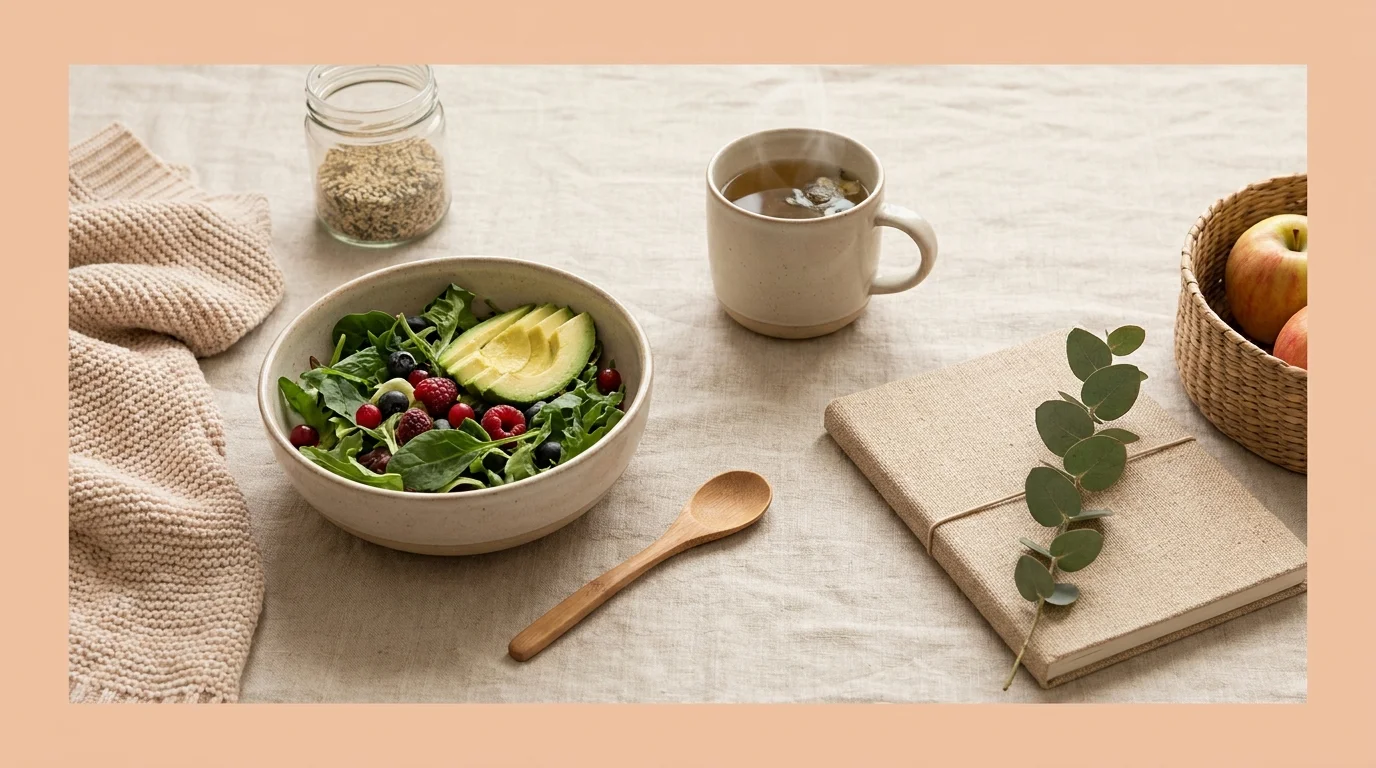
Why the First Trimester Is a Nutritional Turning Point
The first twelve weeks of pregnancy are quietly extraordinary. While you may not yet have a visible bump, your body is orchestrating one of the most complex biological events in human experience: a single fertilised egg is becoming a multi-layered embryo with a beating heart, a forming brain, and the earliest outlines of fingers and toes. What you eat during this window does not just fuel you; it actively shapes the environment in which your baby's foundational systems are built.
The challenge is that the first trimester is also, for many people, the hardest time to eat well. Nausea, food aversions, exhaustion, and tender digestion can make even a bowl of oatmeal feel like a negotiation. The goal here is not perfection. It is understanding which nutrients matter most, knowing where to find them, and having practical strategies for getting enough of them even on the days when you would rather eat plain crackers in bed.
The Non-Negotiables: Nutrients That Cannot Wait
Folate and Folic Acid
Folate is arguably the most critical nutrient in early pregnancy. The neural tube, which eventually becomes the brain and spinal cord, closes between weeks three and four of pregnancy, often before many people even know they are pregnant. Adequate folate at this stage significantly reduces the risk of neural tube defects such as spina bifida and anencephaly.
The Centers for Disease Control and Prevention (CDC) recommends that all people capable of becoming pregnant consume 400 micrograms (mcg) of folic acid daily, increasing to 600 mcg once pregnancy is confirmed. Food sources rich in folate include dark leafy greens (spinach, kale, romaine), lentils, chickpeas, black-eyed peas, asparagus, avocado, and fortified cereals. A good prenatal vitamin fills any remaining gap.
"Folate is one of the few nutrients where timing is everything. By the time a positive pregnancy test appears, the neural tube may already be closing. This is why pre-conception supplementation matters just as much as prenatal supplementation."
- Dr. Siobhan Dolan, MD, MPH, Professor of Obstetrics and Gynecology, Albert Einstein College of Medicine
Iron
Your blood volume increases by up to 50 percent during pregnancy, and iron is essential for producing the haemoglobin that carries oxygen to your baby. Iron-deficiency anaemia in early pregnancy has been linked to preterm birth and low birth weight, according to research published through the National Institute of Child Health and Human Development (NICHD).
Pregnant people need around 27 mg of iron per day. Good sources include lean red meat, poultry, lentils, tofu, pumpkin seeds, and fortified cereals. Pairing iron-rich foods with vitamin C (think: a squeeze of lemon on spinach, or a glass of orange juice with breakfast) significantly improves absorption. Avoid taking iron supplements at the same time as calcium supplements or antacids, as these can reduce absorption.
Choline
Choline often plays second fiddle to folate, but its role in fetal brain development and placental function is equally important. It supports the development of the hippocampus and has been linked to better memory and cognitive outcomes in children. Despite its importance, studies suggest that fewer than ten percent of pregnant people in the United States meet the recommended intake of 450 mg per day.
Eggs are the richest dietary source of choline, with one large egg providing around 147 mg. Other sources include beef liver, salmon, edamame, and shiitake mushrooms. Many prenatal vitamins contain little or no choline, so dietary intake is especially important here.
Iodine
Iodine is essential for the production of thyroid hormones, which regulate your baby's brain development and metabolism in the first trimester, before the fetal thyroid gland is fully operational. The National Institutes of Health Office of Dietary Supplements recommends 220 mcg daily during pregnancy. Good sources include dairy products, seaweed, fish, and iodised salt. If you use non-iodised sea salt or a salt substitute, you may need to pay closer attention to other dietary sources or speak with your provider about supplementation.
Omega-3 Fatty Acids: Building Your Baby's Brain
DHA (docosahexaenoic acid), a type of omega-3 fatty acid found primarily in fatty fish, is a structural component of the fetal brain and retina. The first trimester is when the foundation of the nervous system is being laid, making DHA intake important from the very start.
The American College of Obstetricians and Gynecologists (ACOG) suggests that pregnant people aim for at least 200 mg of DHA per day. Fatty fish like salmon, sardines, and trout are excellent sources and are considered low in mercury. Aim for two to three servings of low-mercury fish per week. If you do not eat fish, algae-based DHA supplements are an effective plant-based alternative, as algae is actually where fish get their DHA in the first place.
"The omega-3s found in fish and algae-based supplements are not optional extras during pregnancy. They are genuine building blocks for the fetal brain at a time when no other structural input can substitute for them."
- Dr. Catherine Limperopoulos, PhD, Director of Research, Children's National Hospital, Washington D.C.
Calories: How Much More Do You Actually Need?
Contrary to the "eating for two" cliche, caloric needs in the first trimester increase very modestly, if at all. Most guidelines suggest that additional caloric intake is not required in the first trimester, and that the focus should be on nutrient density rather than volume. By the second trimester, an additional 340 calories per day is typically recommended, rising to around 450 extra calories in the third trimester.
This matters because excessive weight gain in early pregnancy, particularly for those who begin pregnancy with a higher BMI, has been associated with increased risks of gestational diabetes and complications at delivery. Your midwife or OB will help you understand the right caloric range for your individual starting point.
Eating Well When Everything Feels Terrible
Nausea and food aversions affect up to 80 percent of pregnant people in the first trimester. When even the smell of your favourite foods sends you running, nutritional idealism needs to give way to pragmatic survival strategies.
- Eat small, frequent meals: An empty stomach tends to worsen nausea. Keeping blood sugar stable with small snacks every two to three hours can help.
- Lean on bland but nutritious foods: Plain rice, whole grain toast, bananas, and boiled potatoes are gentle on a queasy stomach while still providing energy and nutrients.
- Cold foods often fare better: Hot meals release more aroma, which can trigger nausea. Cold foods like yoghurt, cheese, fruit, and smoothies are often better tolerated.
- Ginger is your friend: Multiple studies support ginger's effectiveness in reducing pregnancy nausea. Try ginger tea, ginger biscuits, or ginger chews.
- Protein before bed: Eating a small protein-rich snack before sleep, like a handful of nuts or a boiled egg, can reduce morning nausea by stabilising overnight blood sugar.
- Separate drinks from meals: Drinking large amounts of fluid with food can worsen nausea. Try sipping water and herbal teas between meals rather than during them.
If nausea is so severe that you cannot keep food or fluids down for more than 24 hours, you may be experiencing hyperemesis gravidarum and should contact your healthcare provider. This is a medical condition that can lead to dehydration and nutritional deficiency if left untreated.
Foods to Approach With Caution
The first trimester is also a time to be mindful of foods that carry a higher risk during pregnancy. The immune system is subtly altered during pregnancy, making you more vulnerable to certain foodborne illnesses that can have serious consequences for the developing baby.
- Raw or undercooked meat and fish: Including sushi made with raw fish, rare steak, and raw shellfish. Cook meat to safe internal temperatures.
- Unpasteurised dairy and soft cheeses: Brie, camembert, and blue-veined cheeses made from unpasteurised milk carry a risk of listeria. Hard cheeses and pasteurised soft cheeses are generally safe.
- High-mercury fish: Shark, swordfish, king mackerel, and tilefish should be avoided. Limit albacore (white) tuna to one serving per week.
- Raw sprouts: Bean sprouts, alfalfa sprouts, and clover sprouts can harbour bacteria even when rinsed. Cook them thoroughly or skip them during pregnancy.
- Excess caffeine: Current guidance suggests limiting caffeine to under 200 mg per day, which is roughly one standard cup of coffee. This includes caffeine from tea, chocolate, and energy drinks.
- Alcohol: There is no established safe level of alcohol during pregnancy, particularly in the first trimester when organ development is most active.
Hydration: The Overlooked Essential
Water is not a micronutrient, but staying well hydrated is one of the most important things you can do in early pregnancy. Your blood volume is expanding, your kidneys are working harder, and the amniotic sac is beginning to fill. Dehydration can worsen nausea, cause headaches, and in later pregnancy is linked to preterm contractions.
Aim for around 2.3 litres of fluid per day from all sources, including water, herbal teas, soups, and water-rich fruits and vegetables. If plain water feels unpleasant due to nausea, try adding a slice of cucumber, a squeeze of lemon, or a few mint leaves to make it more palatable.
Prenatal Vitamins: What to Look For
Even with the best diet, a good prenatal vitamin provides a meaningful safety net during early pregnancy. Look for one that contains at minimum: folic acid (400-600 mcg), iron (27 mg), iodine (150-220 mcg), DHA (200 mg), vitamin D (600 IU), and calcium. Many high-quality prenatal vitamins also include choline, though often at lower levels than dietary sources provide.
If your prenatal vitamin worsens nausea, try taking it with food or before bed rather than first thing in the morning. Some people find gummy prenatal vitamins easier to tolerate, though these may contain less iron. Talk with your provider if you are struggling to take your prenatal consistently; there are alternatives worth exploring.
Key Statistics and Sources
- Neural tube defects affect approximately 3,000 pregnancies in the US each year; adequate folic acid reduces risk by up to 70 percent.
- Up to 52 percent of pregnant people are estimated to have insufficient iron stores by the third trimester.
- Fewer than 10 percent of pregnant people in the US meet the recommended daily intake of choline (450 mg).
- Around 80 percent of pregnant people experience nausea and vomiting in the first trimester, according to ACOG.
- DHA intake during pregnancy is associated with improved infant visual acuity and cognitive development, per research cited by the NIH Office of Dietary Supplements.
- Iodine deficiency remains the leading preventable cause of brain damage worldwide, according to the NIH Office of Dietary Supplements.