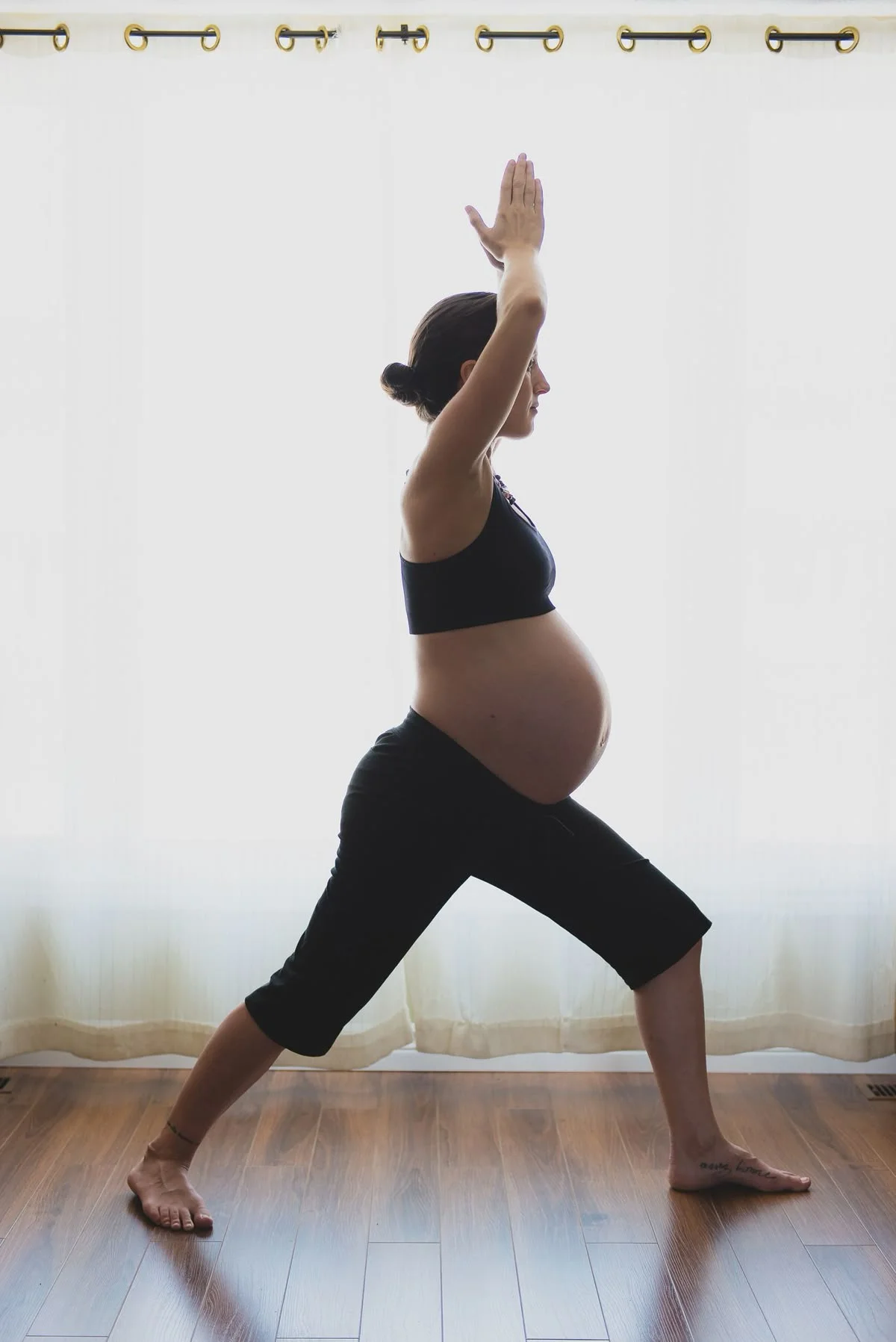
Pregnancy is often painted as a time of pure joy and radiant glow. And yes, there can be tremendous wonder in it. But for many expectant mothers, there is also a steady undercurrent of worry: Is my baby growing well? Am I doing enough? What if something goes wrong? If this sounds familiar, you are far from alone. Anxiety during pregnancy is one of the most common emotional experiences mothers face, and it deserves just as much attention as physical health.
The good news is that anxiety is manageable. With the right tools, support, and understanding, you can move through pregnancy feeling more grounded, more present, and more confident in your body's ability to nurture new life.
How Common Is Pregnancy Anxiety, Really?
Many people are surprised to learn that anxiety during pregnancy is actually more prevalent than postpartum depression. Research published by the National Institute of Mental Health suggests that perinatal anxiety affects between 15 and 20 percent of pregnant women, with some studies placing that figure even higher when subclinical symptoms are included.
Despite how common it is, perinatal anxiety often goes unrecognised and untreated. Screening tools at prenatal appointments have historically focused on depression, meaning many anxious mothers slip through without proper support. Part of addressing this gap is simply naming it: pregnancy anxiety is real, it is widespread, and it is not a sign of weakness or poor mothering.
"Anxiety in pregnancy is not just about feeling nervous. It can disrupt sleep, affect nutrition, and influence the stress hormone environment that a developing baby experiences. Treating it is an act of care for both mother and child."
Dr. Kara Branden, PhD, Perinatal Psychologist, University of California San Francisco
Why Pregnancy Can Trigger or Amplify Anxiety
Pregnancy brings a cascade of hormonal shifts, physical changes, and life transitions that can all feed anxiety. Oestrogen and progesterone rise dramatically in the first trimester, affecting the brain's mood-regulating systems. The amygdala, the brain's threat-detection centre, becomes more reactive during pregnancy, which is thought to be a biological preparation for protecting a newborn. Helpful in small doses, but overwhelming when it goes into overdrive.
Beyond biology, there are deeply human reasons to feel anxious. You may be navigating:
- Fear of miscarriage or complications, especially in the first trimester
- Uncertainty about labour and birth
- Concerns about becoming a parent or being a "good enough" mother
- Financial pressures and practical worries
- A history of pregnancy loss, trauma, or a previous difficult birth
- Changes to identity, relationships, and career
Any one of these would be enough to stir worry. Together, they can feel relentless. Acknowledging that these fears make sense is the first compassionate step.
Recognising the Signs of Pregnancy Anxiety
Anxiety does not always look like obvious panic. In pregnancy, it can be subtle and easy to dismiss as simply "being a worrier." Signs to watch for include:
- Racing thoughts that are hard to quiet, especially at night
- Persistent worry that feels out of proportion to the situation
- Physical tension, such as tight shoulders, jaw clenching, or headaches
- Difficulty concentrating or making decisions
- Avoidance of certain situations, conversations, or information
- Frequent checking behaviours, such as repeatedly monitoring fetal movement
- Sleep disturbances driven by worry rather than physical discomfort
- Irritability or emotional reactivity that feels unlike your usual self
If these symptoms are persistent, feel uncontrollable, or are interfering with daily life, it is worth speaking to your midwife, obstetrician, or a mental health professional. You do not need to wait until things feel unbearable.
Evidence-Based Strategies to Manage Anxiety During Pregnancy
1. Diaphragmatic Breathing and the Nervous System
One of the most immediately accessible tools for anxiety is controlled breathing. When you breathe slowly and deeply into the belly, you activate the parasympathetic nervous system, often called the "rest and digest" response, which directly counteracts the stress response. Research from the National Institutes of Health has demonstrated that slow, diaphragmatic breathing significantly reduces cortisol levels and subjective feelings of anxiety.
A simple technique to try: inhale through the nose for a count of four, hold gently for two counts, then exhale slowly through the mouth for a count of six or eight. Repeat five to ten times. This can be done sitting, lying on your side, or even in a waiting room before an appointment.
Quick Breathing Technique
4-2-6 Breathing: Inhale for 4 counts, hold for 2, exhale for 6. Repeat 5-10 times whenever anxiety rises. The extended exhale is key - it signals safety to your nervous system.
2. Mindfulness-Based Cognitive Therapy (MBCT)
Mindfulness-Based Cognitive Therapy has a strong evidence base for reducing anxiety and preventing relapse into depression. A landmark study from Harvard Medical School found that mindfulness meditation programmes produced measurable reductions in anxiety symptoms, with effects comparable to medication in mild to moderate cases.
In practical terms, mindfulness during pregnancy does not mean sitting in silence for an hour. It can mean:
- Spending five minutes each morning noticing the sensations of your breath and body before getting out of bed
- Eating one meal without screens, paying full attention to taste and texture
- Taking a short walk and deliberately noticing what you see, hear, and smell
- Using a guided body scan before sleep to release physical tension
The aim is not to stop anxious thoughts but to observe them without being swept away by them. Over time, this creates a little more distance between the thought and your reaction to it.
3. Cognitive Behavioural Therapy (CBT) Techniques
CBT is widely considered the gold standard psychotherapy for anxiety disorders, including during pregnancy. A core CBT skill is identifying and gently challenging "cognitive distortions," patterns of thinking that amplify fear beyond what the evidence supports.
Common distortions in pregnancy include catastrophising ("If I feel off today, something must be wrong with the baby") and all-or-nothing thinking ("I ate processed food, I've already damaged my child"). When you notice a fearful thought, try asking yourself:
- What is the evidence for and against this thought?
- What would I say to a close friend who was thinking this?
- Is there a more balanced way to see this situation?
- What is the most likely outcome, not just the worst possible one?
You do not need a therapist to start practising these questions, though a trained CBT therapist can make the process significantly more effective if anxiety is severe.
"Many pregnant women I work with are surprised to find that their anxiety is not about being irrational. It comes from love and the intensity of wanting to protect this new life. We work with that love rather than against it, helping them channel it into present-moment care rather than future-focused fear."
Dr. Elise Moreau, PsyD, Clinical Psychologist, Perinatal Mental Health Programme, University of Toronto
4. Gentle Movement and Exercise
Physical activity is one of the most reliable natural anxiolytics available. Exercise releases endorphins, reduces cortisol, and improves sleep quality, all of which directly buffer anxiety. Prenatal yoga in particular combines gentle movement with breathwork and body awareness, making it especially well-suited for expectant mothers. Even a 20-minute walk each day can make a measurable difference to mood.
If you were active before pregnancy, you can generally continue most activities with modifications. If you are new to exercise, gentle walking, swimming, and prenatal yoga are excellent starting points. Always check with your healthcare provider before starting or continuing any exercise programme.
5. Limiting Anxiety Amplifiers
Some habits unintentionally feed anxiety rather than soothe it. These include:
- Endless online searching: "Dr Google" is rarely reassuring. Set a gentle limit on how much time you spend reading about symptoms and risks, and stick to reliable sources when you do.
- Excessive caffeine: Caffeine directly stimulates the central nervous system and can amplify feelings of anxious arousal. Keeping caffeine under 200mg per day is recommended during pregnancy anyway, and for anxious mothers, erring on the lower end is wise.
- Social media comparison: Curated images of "perfect pregnancies" can fuel inadequacy and fear. Curate your feeds intentionally.
- Sleep deprivation: Poor sleep dramatically worsens anxiety. Treating sleep as a non-negotiable priority is one of the highest-leverage things you can do for your mental health.
6. Building a Support Structure
Anxiety thrives in isolation. Talking to a trusted partner, friend, or family member about your worries, without filtering them to protect others, can provide enormous relief. If those conversations feel difficult, a support group for pregnant women or new mothers can offer community with people who genuinely understand.
Many areas also have specialist perinatal mental health services. Do not hesitate to ask your midwife or GP for a referral. Accessing support early is far easier and more effective than waiting until you are in crisis.
When to Seek Professional Help
Self-help strategies are valuable, but they are not always sufficient on their own. Please reach out to a healthcare professional if:
- Anxiety is present most days and feels uncontrollable
- You are experiencing panic attacks
- Anxiety is significantly affecting your sleep, appetite, or daily functioning
- You are avoiding necessary prenatal care due to fear or anxiety
- You have intrusive or distressing thoughts that frighten you
- You have a history of an anxiety disorder or trauma
Effective treatments including CBT, MBCT, and certain medications that are considered safe in pregnancy are available and evidence-based. Seeking help is a sign of self-awareness and courage, not failure.
The Connection Between Your Wellbeing and Your Baby's
It is worth addressing something that can itself become a source of anxiety: the worry that stress is harming your baby. Chronic, severe, untreated stress during pregnancy is associated with some adverse outcomes. However, everyday anxiety and occasional stressful episodes are a normal part of life and are not harmful. The goal is not to eliminate all anxiety, which is impossible, but to prevent it from becoming chronic and to build your capacity to return to calm after stressful moments.
Taking steps to care for your mental health is one of the most loving things you can do for your growing baby. A mother who seeks support for her anxiety is actively working to create a healthier environment for her child. That is not a burden. That is an act of profound care.
Key Statistics and Sources
- 15-20% of pregnant women experience clinically significant anxiety during pregnancy. Source: National Institute of Mental Health
- Perinatal anxiety is more common than perinatal depression, yet receives far less clinical attention and screening. Source: NIH: Perinatal Mental Health Review
- Slow diaphragmatic breathing has been shown to reduce cortisol levels by up to 50% during acute stress. Source: NIH: Breathing and the Stress Response
- Mindfulness-based interventions show a 58% reduction in anxiety symptoms in perinatal populations. Source: Harvard Medical School
- CBT is effective for reducing anxiety in 60-80% of patients, with effects maintained at 12-month follow-up. Source: National Institute of Mental Health: Psychotherapies
- Regular aerobic exercise reduces anxiety symptoms by approximately 48% in clinical populations. Source: NIH: Exercise and Anxiety Meta-Analysis