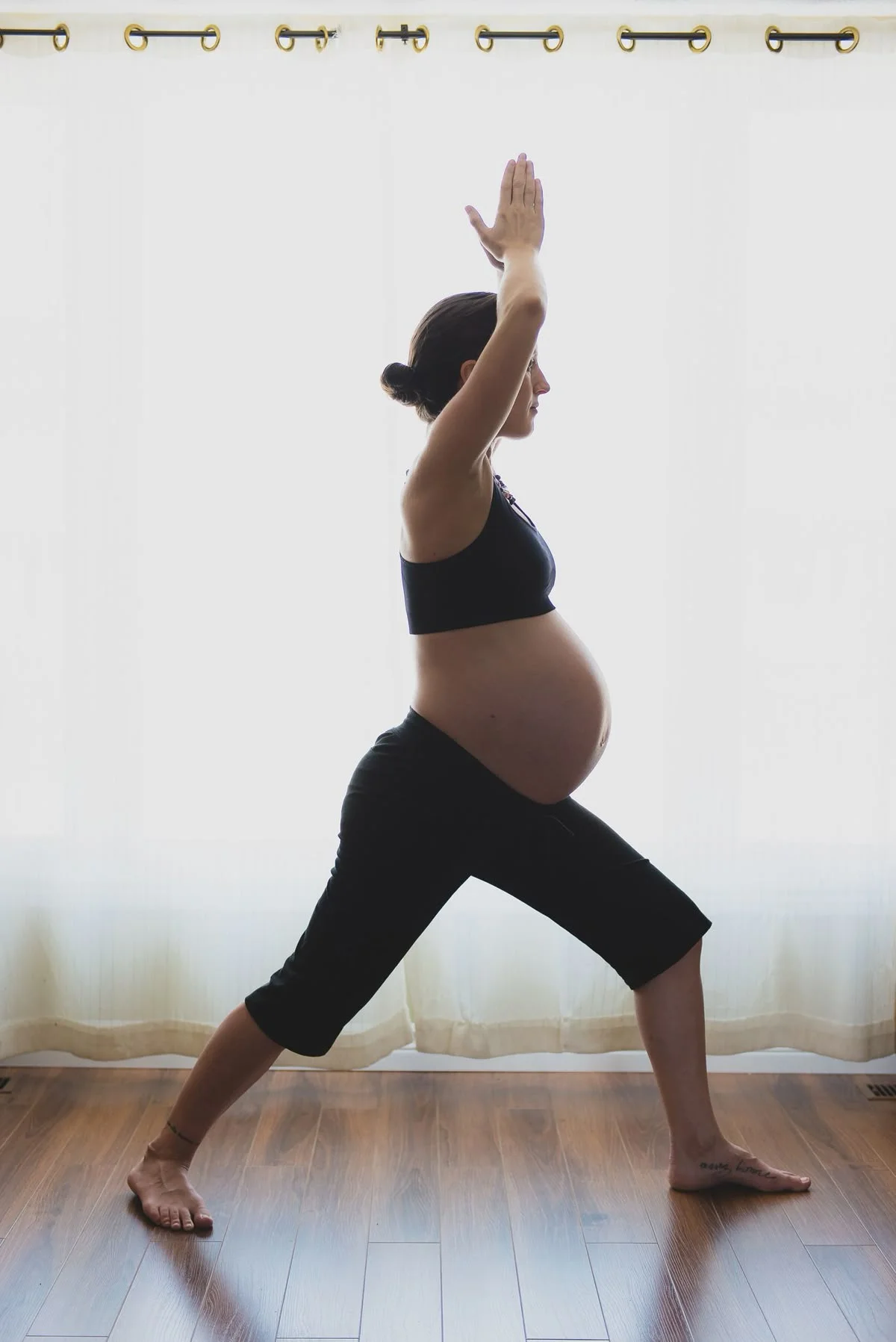
Why Pregnancy Changes the Way You Sleep
You expected the cravings, maybe the nausea, possibly even the emotional swings. But nobody really warned you that pregnancy would also steal your sleep, starting sometimes as early as the first few weeks. If you are lying awake at 3 a.m. wondering why your body suddenly refuses to cooperate, you are not alone and you are not imagining things.
Sleep disruption is one of the most commonly reported complaints among pregnant people, affecting an estimated 78% of women at some point during their pregnancy. The reasons shift as your pregnancy progresses: hormonal surges in the first trimester, a growing belly in the second, and a combination of physical discomfort, anxiety, and frequent bathroom trips in the third. Understanding why your sleep is changing is the first step toward doing something about it.
This guide walks you through what is actually happening to your sleep at each stage, backed by research and practical strategies you can start using tonight.
First Trimester: The Hormone Disruption Phase
In early pregnancy, your body floods with progesterone. While this hormone is essential for maintaining your pregnancy, it also acts as a sedative, making you feel exhausted during the day yet paradoxically disrupting your sleep at night. You may feel like you could fall asleep standing up at 2 p.m. but then find yourself wide awake at midnight.
Frequent urination starts surprisingly early too, driven by increased blood flow to the kidneys and rising hCG levels. Many women report waking two or three times per night to use the bathroom before they even have a visible bump.
"The first trimester is often underestimated as a period of significant physiological upheaval. Progesterone-driven fatigue combined with early sleep fragmentation can set the tone for how a woman experiences the rest of her pregnancy if she doesn't develop good sleep habits early."
- Dr. Fiona Barwick, PhD, CBSM, Clinical Associate Professor and Director of the Women's Sleep Health Program, Stanford University School of Medicine
First Trimester Sleep Strategies
- Nap strategically: Short naps of 20 to 30 minutes can reduce daytime fatigue without interfering with your nighttime sleep drive. Avoid napping after 3 p.m.
- Limit fluids in the evening: Try to drink most of your daily water before 6 p.m. and taper off in the hours before bed to reduce nighttime bathroom trips.
- Start a wind-down routine now: Building a consistent pre-sleep routine early in pregnancy makes it easier to maintain later when sleep becomes even harder to come by.
- Keep your bedroom cool and dark: Progesterone raises your basal body temperature slightly, so a cooler room (around 65 to 68 degrees Fahrenheit) can make falling asleep easier.
Second Trimester: The Relative Calm (and New Challenges)
For many women, the second trimester brings welcome relief. Nausea often eases, energy returns, and sleep can genuinely improve. This is the best window to establish strong sleep habits and invest in the tools and positions that will carry you through the third trimester.
That said, new disruptions can appear. Vivid, sometimes disturbing dreams become more common, likely linked to hormonal changes and the psychological weight of preparing for parenthood. Leg cramps, restless legs syndrome (RLS), and heartburn also tend to emerge around this time.
Research published by the National Institute of Child Health and Human Development indicates that sleep-disordered breathing, including snoring and mild sleep apnea, increases significantly in the second trimester due to weight gain, nasal congestion, and changes in airway tissue. If your partner notices you snoring heavily or gasping, mention it to your midwife or OB.
Sleep Position: The Left Side Debate
You have probably heard that sleeping on your left side is best during pregnancy. The reasoning is sound: sleeping on your back, especially in later pregnancy, can compress the inferior vena cava, the large vein that returns blood from your lower body to your heart, potentially reducing blood flow to the placenta. Left-side sleeping optimises circulation and kidney function.
However, a large study from the BMJ found that while back sleeping in the third trimester was associated with some adverse outcomes, there is no need to panic if you wake up on your back. The important thing is to start the night on your left side. Your body will often reposition itself safely as you sleep.
Second Trimester Strategies
- Invest in a pregnancy pillow: A full-length or C-shaped pillow supports your bump, back, and hips simultaneously, making side sleeping far more comfortable.
- Address heartburn proactively: Eat smaller meals, avoid spicy and fatty foods in the evening, and try elevating the head of your bed slightly if acid reflux is waking you up.
- Stretch your calves before bed: Gentle calf stretches and staying well hydrated can reduce the frequency of painful leg cramps at night.
- For restless legs, talk to your provider: RLS in pregnancy is often linked to iron deficiency or low folate. A blood test and possible supplementation can make a significant difference.
Third Trimester: The Hardest Season for Sleep
The third trimester is widely considered the most challenging phase for sleep, and for good reason. You are larger, more uncomfortable, more anxious about the birth, and more likely to need the bathroom multiple times per night. Back pain, pelvic girdle pain, fetal movement, and general discomfort all compete for your attention in the small hours.
"Poor sleep in the third trimester is not just an inconvenience. We now have growing evidence that severely disrupted sleep is associated with longer labours and higher rates of caesarean delivery. Supporting sleep at this stage is genuinely clinical, not just a comfort issue."
- Dr. Michele Okun, PhD, Professor and Sleep Researcher, University of Colorado Colorado Springs
A study from the Eunice Kennedy Shriver National Institute of Child Health and Human Development found that women who slept fewer than six hours per night in late pregnancy had significantly longer labours and were 4.5 times more likely to have a caesarean delivery than those sleeping seven or more hours. This is a powerful reminder that rest is not laziness in pregnancy; it is preparation.
Managing Physical Discomfort at Night
When your belly makes every position feel awkward, it helps to build a proper support system before you even lie down. Place a pillow between your knees to reduce hip and lower back strain. Tuck a smaller pillow under your bump if it is pulling downward. A wedge pillow behind your back can prevent you from rolling onto your back without forcing you into a rigid position.
If pelvic girdle pain (PGP) is significant, consider speaking with a physiotherapist who specialises in women's health. Simple exercises and movement modifications can make a remarkable difference in how you feel overnight.
Managing Anxiety and Nighttime Racing Thoughts
Third trimester anxiety is real and valid. You are approaching one of the most significant events of your life with a body that is tired and a mind that is running scenarios. Cognitive techniques borrowed from insomnia therapy, known as Cognitive Behavioural Therapy for Insomnia (CBT-I), have been shown to be effective in pregnancy and are considered safe where medication is not recommended.
Key Takeaway: CBT-I Techniques for Pregnancy Insomnia
- Stimulus control: Use your bed only for sleep and intimacy. If you lie awake for more than 20 minutes, get up and do something calm in dim light until you feel sleepy.
- Sleep restriction (modified): Set a consistent wake time every morning, even if you had a terrible night. This helps consolidate your sleep drive.
- Cognitive restructuring: Challenge catastrophic thoughts about not sleeping. One poor night will not harm you or your baby.
- Relaxation techniques: Progressive muscle relaxation, body scans, and slow breathing activate the parasympathetic nervous system and signal safety to your brain.
Practical Sleep Hygiene Tips for Every Trimester
Regardless of where you are in your pregnancy, certain foundational habits consistently improve sleep quality. Think of these as the non-negotiable layer beneath any trimester-specific strategies.
Light and Darkness
Your circadian rhythm is governed largely by light exposure. Get natural light in the first hour after waking: even sitting near a sunny window helps. In the evening, dim your environment at least 90 minutes before bed and avoid bright screens. Blue light from phones and tablets suppresses melatonin production, making it harder to fall asleep.
Temperature Regulation
Pregnancy raises your core temperature, making heat a common sleep disruptor. Keep your bedroom cool, wear breathable natural fabrics (cotton or bamboo), and consider a fan for air circulation. Cooling a pillow in a pillowcase briefly before bed is a simple trick many pregnant women swear by.
Mindful Caffeine Consumption
Current guidelines suggest keeping caffeine under 200mg per day during pregnancy, roughly one standard cup of coffee. But timing matters almost as much as quantity. Caffeine has a half-life of five to seven hours, meaning a cup at 2 p.m. still has half its effect at 9 p.m. Try to finish all caffeinated drinks by noon if nighttime wakefulness is an issue.
Journaling and Mental Offloading
One of the most underrated sleep tools is simply writing things down before bed. A short "worry dump" or tomorrow's to-do list, written 30 to 60 minutes before sleep, has been shown in research to reduce the time it takes to fall asleep. Your brain is less likely to rehearse anxious thoughts when it trusts they have been captured somewhere.
When to Speak to Your Healthcare Provider
Some sleep disruptions in pregnancy are worth raising with your midwife or doctor rather than managing alone. Seek guidance if you experience:
- Loud, frequent snoring or gasping during sleep (possible sleep apnea)
- An overwhelming urge to move your legs at night that does not improve with stretching or iron supplementation
- Sleep disruption so severe it is affecting your daily functioning or mood for more than two weeks
- Night sweats accompanied by fever or other symptoms
Untreated sleep apnea in pregnancy, for example, is associated with gestational hypertension and preeclampsia. It is worth investigating if symptoms are present.
Key Statistics and Sources
- 78% of pregnant women report experiencing significant sleep disruption at some point during pregnancy. NICHD
- Women sleeping fewer than 6 hours per night in late pregnancy were 4.5x more likely to have a caesarean delivery. NICHD Research
- Restless Legs Syndrome affects approximately 26% of pregnant women, compared to around 3% of the general population. NINDS, NIH
- Sleep-disordered breathing increases in prevalence from 11% in the first trimester to 35% in the third trimester. NHLBI, NIH
- CBT-I is recommended as a first-line treatment for insomnia, including during pregnancy, over sleep medications. Agency for Healthcare Research and Quality
- Left-side sleeping improves uterine blood flow and reduces pressure on the inferior vena cava in late pregnancy. NICHD Pregnancy Health