Staying active during pregnancy is one of the most powerful things you can do for your body and your baby. Yet so many expectant mothers hold back, worried that movement might somehow cause harm. The good news: for most healthy pregnancies, exercise is not only safe but genuinely beneficial, and the research backing this up has never been stronger.
This guide walks you through everything you need to know about exercising safely at every stage of pregnancy, from the first flutter of a positive test to the final weeks before birth. Whether you were a regular gym-goer before conceiving or you are just beginning to think about movement, there is a place for you here.
Why Exercise Matters During Pregnancy
Your body undergoes extraordinary changes during pregnancy. Blood volume increases by up to 50%, your centre of gravity shifts, and hormones like relaxin loosen your joints and ligaments. Exercise helps your body adapt to all of this gracefully.
Regular physical activity during pregnancy has been linked to a range of meaningful benefits, including reduced risk of gestational diabetes, lower rates of excessive weight gain, improved sleep quality, and shorter active labour. It also has a significant impact on mental health, helping to ease anxiety and lift mood through the release of endorphins.
"Physical activity during pregnancy is associated with reduced risk of gestational diabetes mellitus, gestational hypertension, and excessive gestational weight gain, as well as improved cardiorespiratory fitness and muscular strength."
- Dr. Margie Davenport, PhD, Professor of Exercise Physiology, University of Alberta, cited in research published by the Canadian Journal of Obstetrics and Gynaecology
The American College of Obstetricians and Gynecologists (ACOG) recommends that healthy pregnant women engage in at least 150 minutes of moderate-intensity aerobic activity per week. That works out to about 30 minutes on most days, and it does not need to be continuous or intense to count.
Before You Begin: Important Considerations
While exercise is widely encouraged, there are some situations where it may need to be modified or avoided. Always talk to your midwife or OB before starting or significantly changing an exercise routine during pregnancy.
Conditions that may require modified or restricted activity include placenta praevia after 26 weeks, preterm labour risk, preeclampsia, severe anaemia, and certain cardiac or respiratory conditions. Your care provider is your best guide here. Do not self-diagnose based on symptoms alone.
If you were sedentary before pregnancy, this is not the time to launch into a high-intensity training programme. Start gently and build gradually. If you were very active before conceiving, you can likely continue most activities with some adjustments as your pregnancy progresses.
Key Takeaway
Most healthy pregnant women can and should exercise regularly. Aim for 150 minutes of moderate activity per week, always with guidance from your care provider. Listen to your body and adjust as each trimester brings new changes.
First Trimester: Building the Foundation
The first trimester (weeks 1 to 13) is often the trickiest for exercise, not because movement is unsafe but because fatigue and nausea can make lacing up your trainers feel impossible. If you are struggling with morning sickness or bone-deep tiredness, be compassionate with yourself. Even a 10-minute walk counts.
Safe and Beneficial Activities
- Walking: The single most accessible form of exercise during pregnancy. It is low-impact, free, and easy to adjust in intensity.
- Swimming and water aerobics: The buoyancy of water reduces pressure on your joints while still giving your cardiovascular system a meaningful workout.
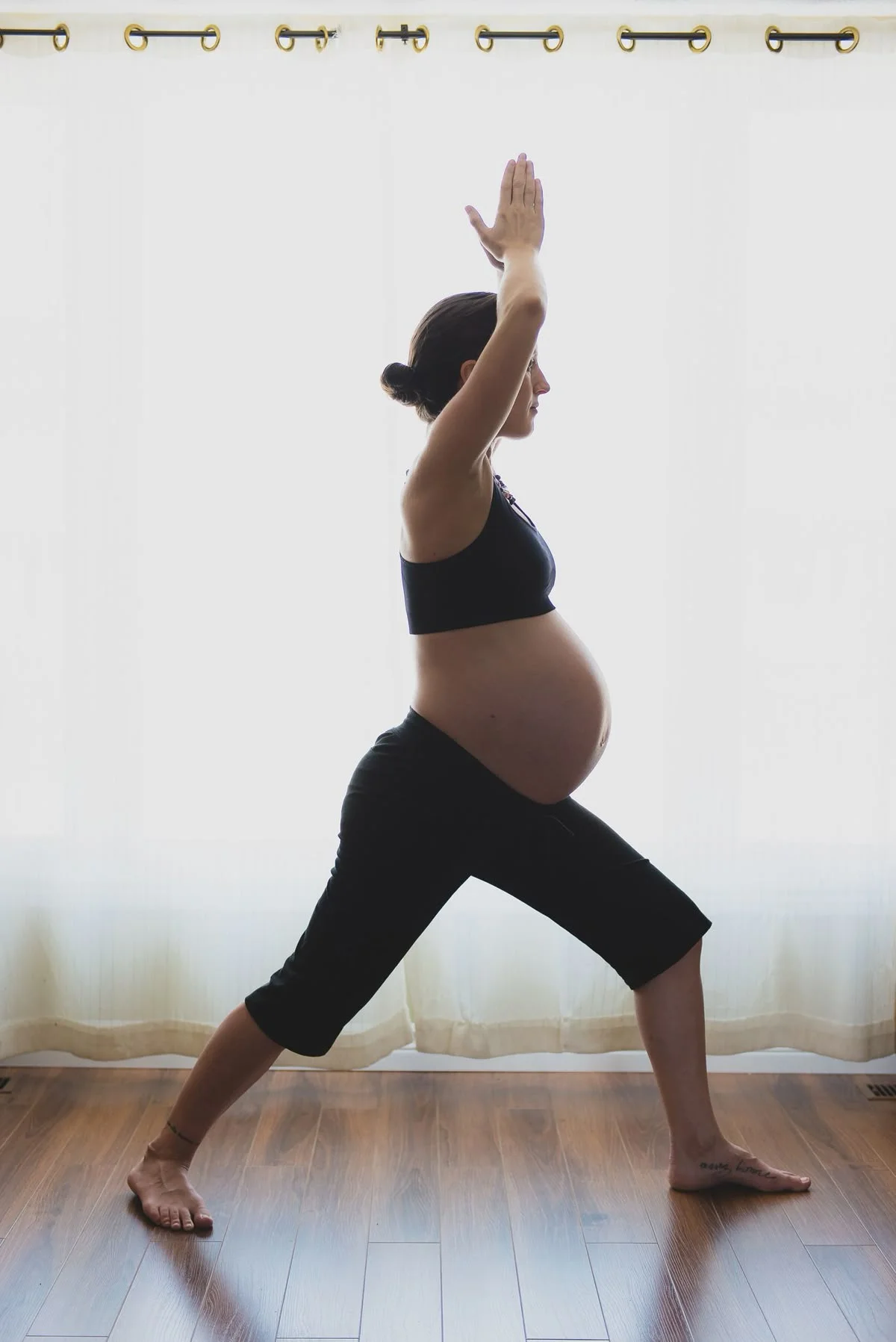
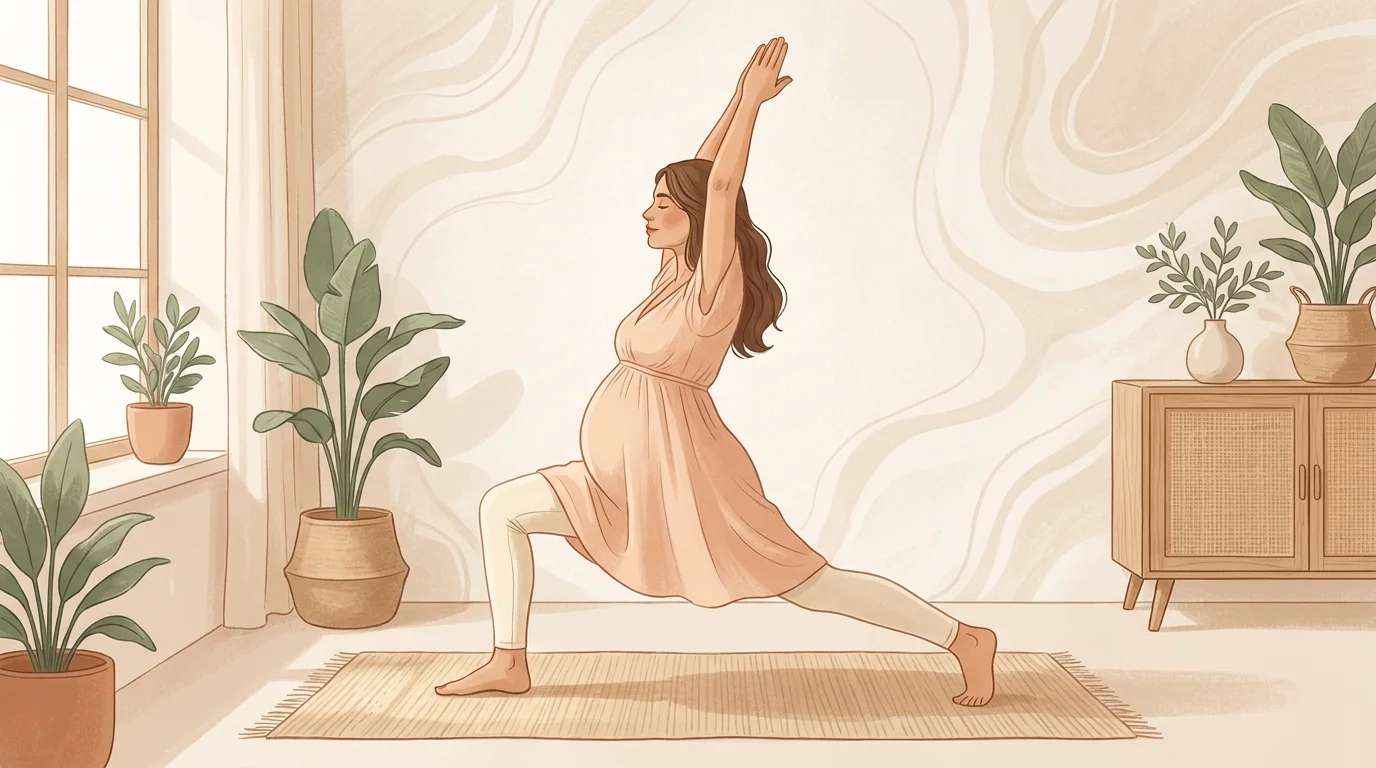
- Yoga and Pilates: Both support core stability, posture, and flexibility. Look for classes specifically designed for pregnancy or follow guidance from a qualified instructor.
- Cycling on a stationary bike: Safer than outdoor cycling as your bump grows, and a great way to raise your heart rate without impact.
- Strength training with lighter weights: Maintaining muscle mass supports your posture and helps your body carry the increasing weight of pregnancy.
What to Avoid in the First Trimester
Even in these early weeks, it is wise to avoid high-impact contact sports, activities with a high fall risk (such as horse riding or skiing), and exercises that involve lying flat on your back for extended periods, as this can reduce blood flow. Also steer clear of hot yoga or exercise in very warm, humid environments, which can raise your core temperature to unsafe levels.
Second Trimester: Finding Your Rhythm
For many women, the second trimester (weeks 14 to 27) is the sweet spot of pregnancy exercise. Nausea often eases, energy returns, and your bump is visible but not yet uncomfortably large. This is an ideal window to establish a consistent movement routine.
"The second trimester is typically when pregnant women feel most capable of exercise. I encourage my patients to use this window to build strength, especially in the glutes, back, and pelvic floor, as these muscles will support them through the third trimester and labour."
- Dr. Raul Artal, MD, Professor Emeritus, Saint Louis University School of Medicine, specialist in exercise and pregnancy
Modifications to Consider
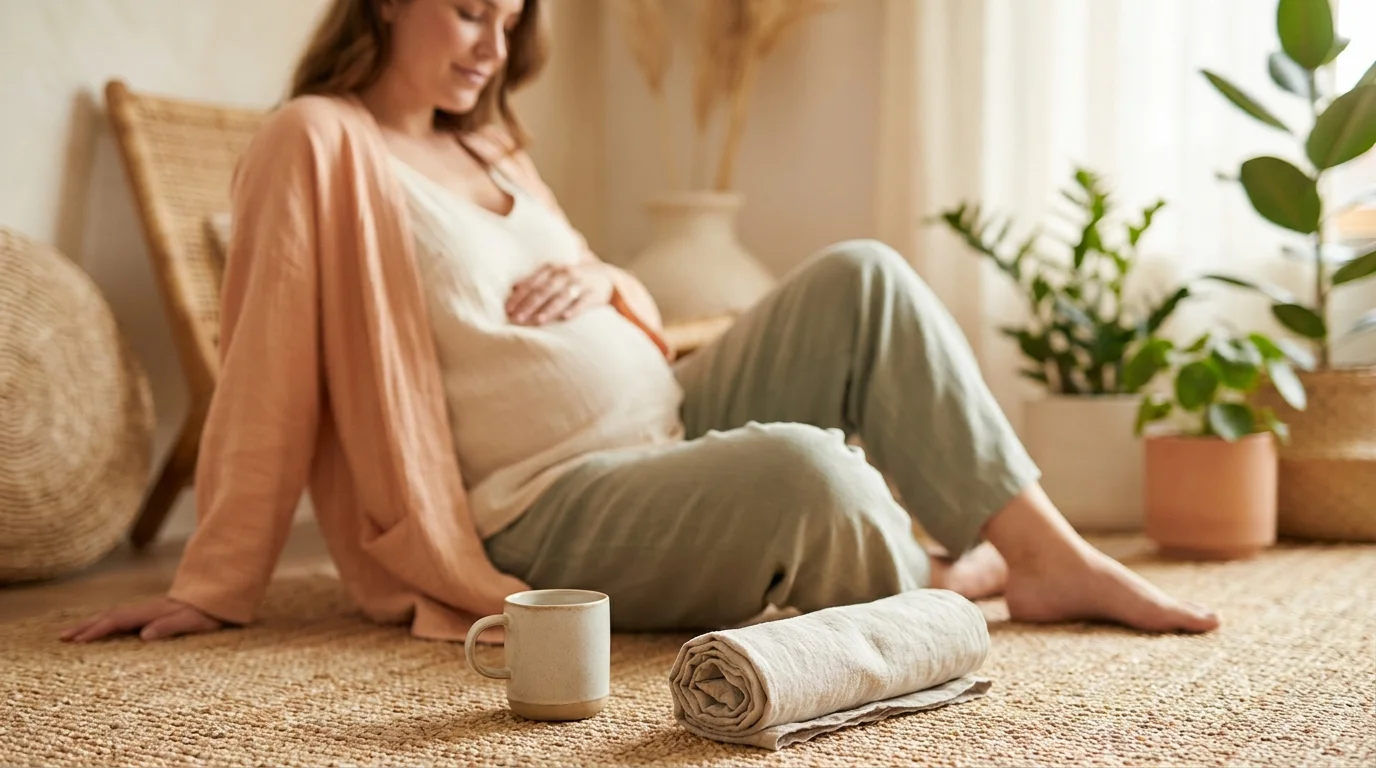
As your bump grows, your centre of gravity begins to shift. This means balance can be affected, so exercises that require stability on one leg may need props or modifications. Begin modifying any exercises that involve lying flat on your back, swapping them for side-lying or inclined alternatives. A wedge pillow or folded blankets can help with incline positions.
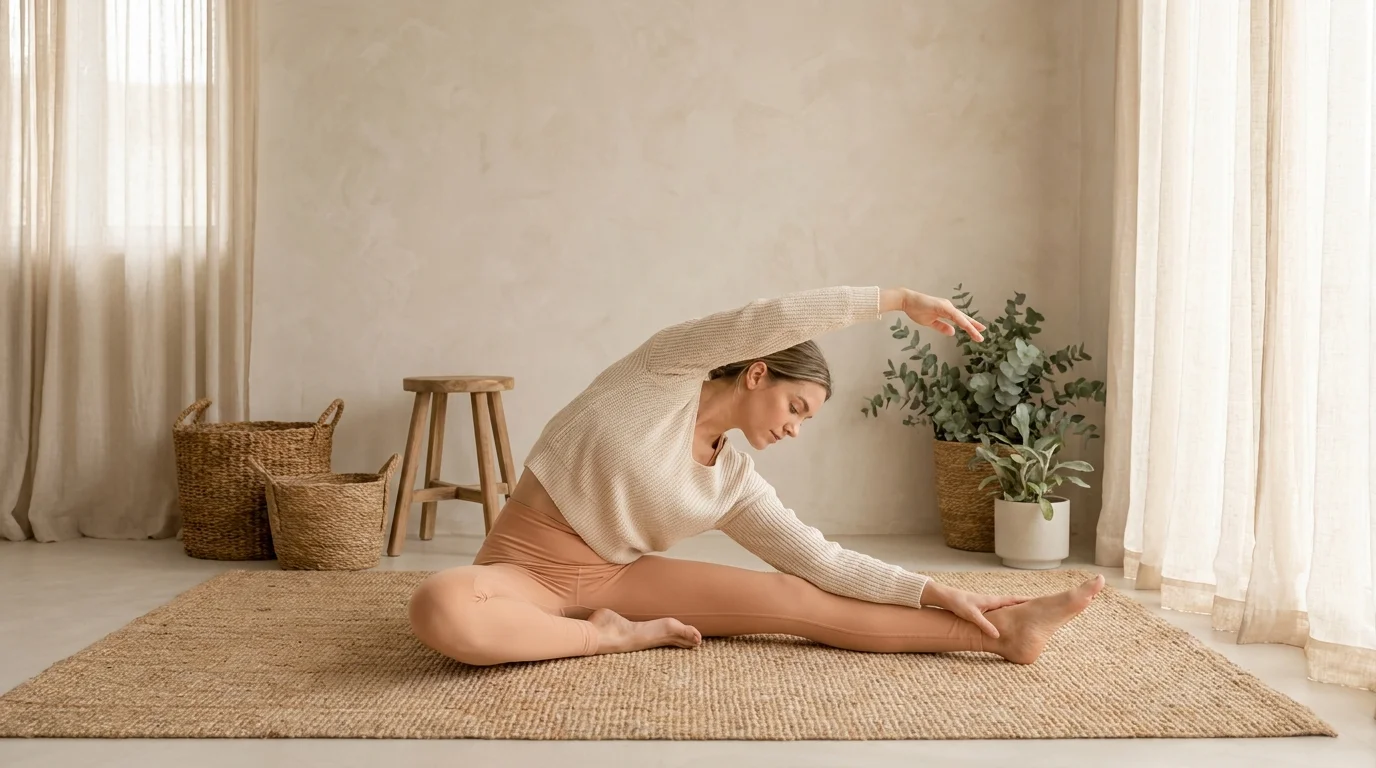
Your joints are also becoming more lax thanks to the hormone relaxin. This can feel like increased flexibility, but it also means you are more vulnerable to overstretching or injury. Avoid pushing to the end range of motion in any stretch, and focus on controlled, intentional movement rather than depth.
Adding Pelvic Floor Work
The second trimester is an excellent time to deepen your pelvic floor practice. The pelvic floor supports your growing uterus, bladder, and bowel, and strengthening it now can reduce the risk of incontinence during and after pregnancy, support your posture, and aid recovery after birth.
Kegel exercises, functional pelvic floor contractions during lifting, and diaphragmatic breathing are all effective tools. Consider working with a women's health physiotherapist for a personalised assessment.
Third Trimester: Moving With Intention
By the third trimester (weeks 28 to 40), your body is working hard simply to carry your baby. Exercise at this stage is less about performance and more about maintaining circulation, managing discomfort, and preparing for labour.
Best Choices for Late Pregnancy
- Walking: Still one of the best choices. Even short, frequent walks help with circulation and can ease pelvic heaviness.
- Prenatal swimming: Water supports your bump, relieves joint pressure, and keeps your cardiovascular system active without strain.
- Birthing ball exercises: Sitting on and moving gently on a birthing ball can relieve back pain, encourage optimal fetal positioning, and open the pelvis.
- Gentle strength work: Focus on functional movements like squats (great for birth preparation), modified rows for the upper back, and exercises that counteract the forward rounding caused by a growing bump.
- Stretching and mobility work: Hip circles, cat-cow, and gentle spinal rotations can all ease the common discomforts of late pregnancy.
Signs to Stop and Rest
Your body will tell you when it needs a break. Stop exercising and contact your care provider if you experience any of the following: vaginal bleeding, regular painful contractions, fluid leaking from the vagina, chest pain or palpitations, severe dizziness or shortness of breath, or significant decrease in fetal movement.
The Centers for Disease Control and Prevention (CDC) provides a clear overview of warning signs during pregnancy exercise and reinforces the importance of regular moderate activity for most expectant mothers.
The Talk Test: How to Gauge Exercise Intensity
You do not need a heart rate monitor to exercise safely during pregnancy. The talk test is a simple, effective guide: if you can hold a conversation while exercising, you are working at a moderate, appropriate intensity. If you cannot get out a sentence without gasping for breath, ease off. You want to feel challenged but comfortable.
The old advice to keep your heart rate below 140 beats per minute has been updated. Current guidance focuses more on perceived exertion and comfort than on specific heart rate targets, which vary considerably from person to person.
Exercise and Mental Wellbeing
The mental health benefits of movement during pregnancy deserve their own spotlight. Research consistently shows that regular physical activity reduces symptoms of prenatal anxiety and depression, improves sleep quality, and increases feelings of body confidence and self-efficacy. At a time when so much feels outside your control, exercise offers a space that is entirely yours.
Even gentle movement like a daily walk or a 20-minute yoga session can meaningfully shift your mood. The key is consistency and choosing activities you genuinely enjoy, not activities you feel you should be doing.
Practical Tips for Staying Active
- Invest in a supportive sports bra. Breast tenderness and increased breast size make this essential from early pregnancy onwards.
- Wear a supportive belly band in the second and third trimesters if you experience pelvic girdle pain or round ligament discomfort during exercise.
- Stay well hydrated before, during, and after movement. Dehydration increases the risk of Braxton Hicks contractions and overheating.
- Exercise in the cooler parts of the day if possible, and avoid working out in high heat or humidity.
- Warm up gently before each session and take time to cool down and stretch afterwards.
- Consider joining a prenatal exercise class, either in person or online. The community element can be a wonderful source of motivation and connection.
Exercise at a Glance: By Trimester
- First trimester: Focus on maintaining existing habits, add walking and gentle yoga, manage fatigue with compassion.
- Second trimester: Build strength, deepen pelvic floor work, begin modifying floor-based exercises.
- Third trimester: Prioritise comfort and circulation, use birthing ball, embrace gentle stretching and functional movement.
A Note on Rest
In a culture that celebrates productivity, rest can feel like a failure. During pregnancy, rest is as important as movement. Your body is building an entire human being. There will be days when a walk is too much, and on those days, rest is the right choice. Honouring your body's signals, including the signal to slow down, is part of a healthy active pregnancy.
Balance is the goal. Not perfection, not performance, simply the kind of consistent, joyful movement that helps you feel strong, capable, and connected to your body through one of life's most extraordinary seasons.
Key Statistics and Sources
- Healthy pregnant women should aim for at least 150 minutes of moderate-intensity aerobic activity per week. ACOG, 2020
- Regular exercise during pregnancy reduces the risk of gestational diabetes by up to 38%. BMJ Open, via NIH
- Physically active pregnant women are 31% less likely to experience gestational hypertension. NIH, 2019
- Exercise during pregnancy is associated with shorter active labour and reduced rates of caesarean delivery. CDC, Physical Activity in Pregnancy
- Only around 23% of pregnant women in the US meet physical activity guidelines. CDC
- Prenatal exercise significantly reduces symptoms of prenatal depression and anxiety. NIH, Mental Health and Prenatal Exercise Review