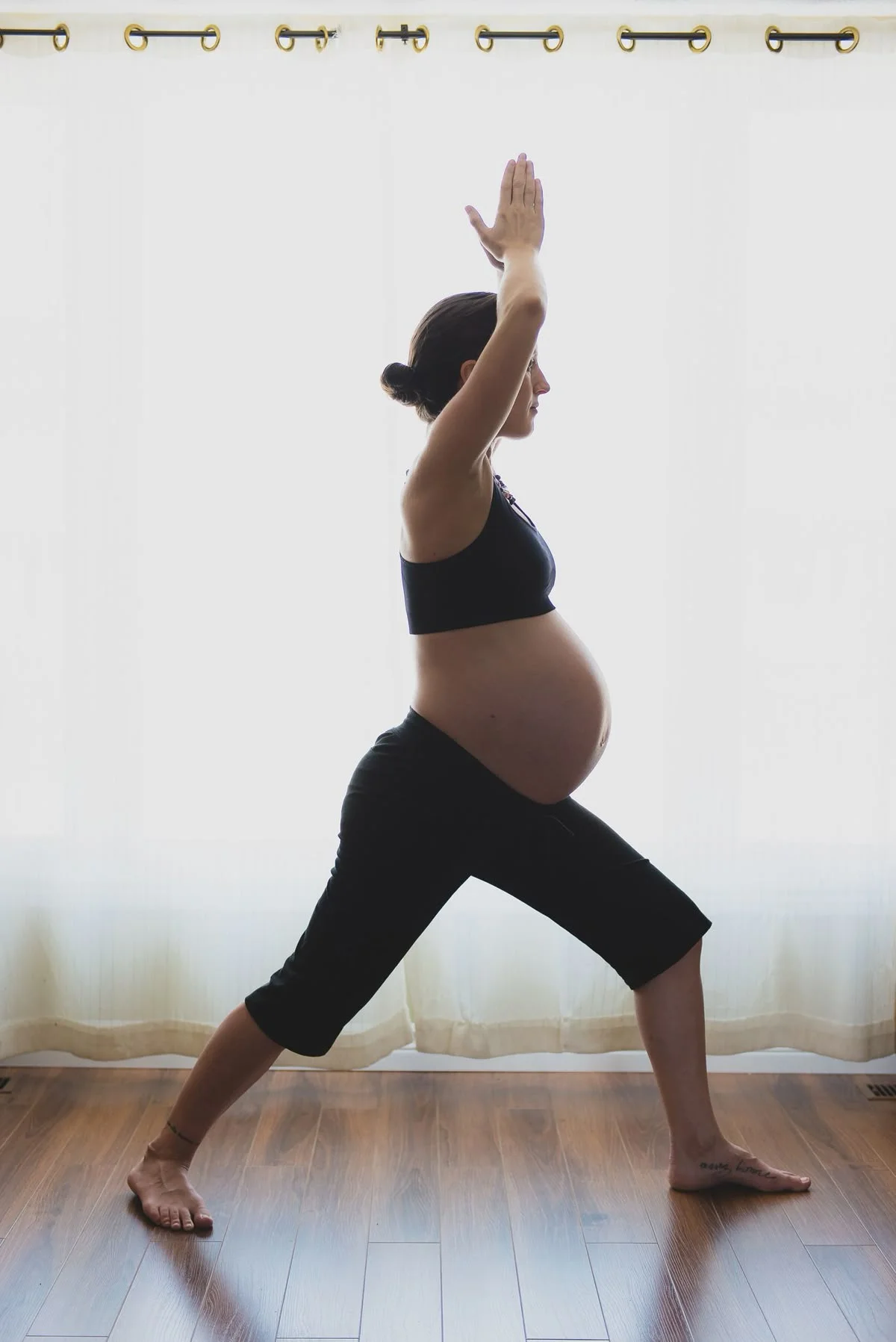
Why Returning to Exercise After Birth Is Not One-Size-Fits-All
After nine months of growing a human being, your body has been through an extraordinary transformation. Muscles have stretched, hormones have shifted, joints have loosened, and your core and pelvic floor have done work that no gym programme could replicate. When you feel ready to move again, it can be genuinely confusing to know where to start, especially when advice from friends, social media, and even well-meaning health professionals seems to contradict itself.
The truth is that returning to exercise after birth is deeply personal. Your experience will depend on whether you had a vaginal birth or a caesarean section, whether you experienced any complications, how much sleep you are getting, how you are feeding your baby, and what your fitness levels were before and during pregnancy. This guide will walk you through the evidence, the expert guidance, and the practical steps to help you return to movement safely, progressively, and with genuine enjoyment.
The First Six Weeks: Rest Is Active Recovery
The first six weeks postpartum are often called the fourth trimester, and for good reason. Your body is undergoing a remarkable healing process: your uterus is contracting back to its pre-pregnancy size, hormone levels are recalibrating, and any perineal tears or surgical incisions are healing. This is not a time to push through workouts.
That said, rest does not mean total inactivity. Gentle walking, mindful breathing, and early pelvic floor exercises are not only safe from the first days after birth in most cases, they are actively beneficial for circulation, mood, and recovery.
"The postnatal period is a critical window for pelvic floor rehabilitation. Beginning diaphragmatic breathing and gentle pelvic floor activation within the first week can significantly reduce the risk of long-term dysfunction."
Dr. Sinead Dufour, PhD, Physiotherapist, Associate Professor, McMaster University
According to guidance from the American College of Obstetricians and Gynecologists (ACOG), women with uncomplicated vaginal deliveries can typically begin light activity such as walking within days of giving birth. However, returning to more structured or intense exercise should wait until after your six-week postnatal check, and even then, only if you have been medically cleared and feel ready.
Pelvic Floor Exercises: Start Here
Before you think about running, lifting, or any high-impact activity, the pelvic floor deserves your full attention. The pelvic floor is a group of muscles that form the base of your core, supporting your bladder, bowel, and uterus. Pregnancy and birth place enormous strain on these muscles, and rebuilding their strength is the foundation of every safe return to exercise.
Simple Kegel exercises, contracting and lifting the pelvic floor as though you are stopping the flow of urine, can typically be started within 24 to 48 hours of a vaginal birth, provided you are comfortable. If you had a significant tear, an episiotomy, or a caesarean section, check with your midwife or GP before starting.
Aim for three sets of ten contractions daily, holding each for three to five seconds, and gradually increasing the hold time over weeks. If you experience any leaking, heaviness, or pain during or after pelvic floor exercises, stop and speak to a women's health physiotherapist.
The Six-Week Check: What It Is (and What It Is Not)
Many new mothers interpret the six-week postnatal check as a green light to resume all pre-pregnancy activity. In reality, this appointment is primarily a general health review, and it does not typically include a functional assessment of the pelvic floor or abdominal muscles. Passing your six-week check does not automatically mean your body is ready for a 5K run or a HIIT class.
Research published by the National Institutes of Health and leading postnatal physiotherapists increasingly recommends that women seek a dedicated assessment from a women's health physiotherapist before returning to high-impact exercise, regardless of how straightforward their birth was. This assessment checks for pelvic floor dysfunction, diastasis recti (abdominal separation), and overall musculoskeletal readiness.
Key Takeaway
The six-week check is a general health review, not a fitness clearance. Consider booking a women's health physiotherapist assessment before resuming running, jumping, or heavy lifting.
Diastasis Recti: Understanding Abdominal Separation
Diastasis recti refers to the separation of the two sides of the rectus abdominis (the "six-pack" muscles) along the linea alba, the connective tissue running down the centre of the abdomen. It affects a significant proportion of women during and after pregnancy, with some studies estimating that up to 100% of women have some degree of separation by the third trimester, though the severity varies considerably.
Many cases of diastasis recti resolve naturally in the weeks after birth. However, for some women, a significant gap persists and can contribute to lower back pain, pelvic instability, and a feeling of core weakness. Certain exercises, particularly traditional crunches, sit-ups, and heavy lifting without proper bracing, can worsen the condition.
Signs that may suggest diastasis recti include a visible "doming" or "coning" along the midline of the abdomen during core engagement, a persistent soft bulge below the navel, or a feeling that your core cannot generate tension when lifting. A physiotherapist can assess the gap and help you choose exercises that support healing rather than hinder it.
"Diastasis recti is not a diagnosis to fear, but it does require informed exercise programming. The goal is not just to close the gap but to restore load-transferring function throughout the entire core system."
Dr. Grainne Donnelly, Advanced Physiotherapist, Specialist in Women's Health Physiotherapy, Northern Ireland
A Progressive Timeline for Returning to Exercise
There is no universal timeline that suits every woman, but the following framework, based on current clinical guidance, provides a sensible progression for most postpartum bodies.
Weeks 0 to 6: Foundation Phase
- Gentle walking (start with 10 minutes and build slowly)
- Pelvic floor exercises daily
- Diaphragmatic breathing to re-engage the deep core
- Gentle stretching for hips, back, and shoulders
- Rest and sleep whenever possible
Weeks 6 to 12: Building Phase
After medical clearance and ideally a physiotherapy assessment, you can begin to introduce slightly more structured movement, always guided by how your body feels and whether any symptoms arise.
- Longer, brisker walks (building toward 30 minutes)
- Bodyweight exercises: glute bridges, clamshells, wall sits, modified push-ups
- Low-impact yoga or Pilates designed for postnatal bodies
- Light resistance band work
- Continue daily pelvic floor work
Weeks 12 to 24: Strengthening Phase
By three to six months postpartum, many women feel ready to increase intensity. This is the time to gradually reintroduce more demanding movement, still with attention to any warning signs.
- Jogging or running (only when impact screening is complete)
- Strength training with progressively heavier loads
- Low-impact aerobic classes
- Swimming (once any wounds are fully healed)
When to Hold Back
Regardless of the timeline, you should reduce intensity or stop and seek advice if you experience any of the following during or after exercise:
- Leaking urine or faeces
- Pelvic heaviness or a feeling of "falling out" pressure
- Pain in the pelvis, hips, or lower back
- Abdominal doming or coning
- Unusual bleeding (beyond normal lochia in the first weeks)
- Extreme fatigue that worsens over days
Returning to Running After Birth
Running is one of the most commonly asked-about activities postpartum, and also one of the most frequently returned to too soon. The impact forces involved in running place significant demand on the pelvic floor, hips, and knees, all of which have been affected by pregnancy hormones and postural changes.
The widely respected Return to Running postnatal guidelines, developed by physiotherapists Groom, Donnelly, and Brockwell, recommend waiting until at least three months postpartum before returning to running, and only after passing a series of functional benchmarks. These include being able to walk briskly for 30 minutes without symptoms, perform single-leg balance for 10 seconds, and complete a set of single-leg calf raises and bridges without any pelvic floor symptoms.
If running is your goal, consider working toward it systematically: build walking stamina first, then introduce walk-run intervals, and only progress to continuous running once you feel genuinely strong and symptom-free.
Caesarean Recovery: A Different Starting Point
If you had a caesarean section, it is important to recognise that you are recovering from major abdominal surgery as well as birth. The initial recovery period is typically longer, and returning to exercise requires additional patience.
In the early weeks, avoid any exercise that places direct strain on the abdominal wound, including lifting anything heavier than your baby. Walking remains the safest starting point. Scar tissue mobility can become relevant from around six to eight weeks, and a women's health physiotherapist can help you address any tightness or sensitivity around the scar that might affect movement patterns long-term.
Most women who have had a caesarean can follow a similar progressive timeline to those who had vaginal births, but with the building phase typically starting a little later, and with more caution around core loading.
The Role of Sleep, Nutrition, and Hormones
Exercise recovery does not happen in isolation. How well you sleep, what you eat, and where you are in your hormonal cycle all affect how your body responds to training in the postpartum period.
If you are breastfeeding, your oestrogen levels remain low, which can affect joint laxity and recovery time. Staying well hydrated is especially important, as dehydration can worsen fatigue and reduce milk supply. Fuelling your body with adequate protein, healthy fats, and complex carbohydrates supports muscle repair and sustained energy.
Sleep deprivation, which is an almost universal experience in the early months, impairs muscle recovery, increases cortisol levels, and reduces motivation. This is not a reason to avoid movement altogether, but it is a reason to be genuinely gentle with your expectations. A 20-minute walk on four hours of broken sleep is a genuine achievement.
Listening to Your Body: The Most Important Tool You Have
Beyond all the guidelines and timelines, the most reliable guide to your postpartum fitness journey is your own body. Pain, leaking, heaviness, and extreme fatigue are signals, not hurdles to push through. Progress that feels sustainable is progress you will be able to maintain for years, not just weeks.
Movement after birth should feel empowering. It can be a time to rebuild not just physical strength but confidence, body awareness, and a sense of yourself beyond your new identity as a parent. Give yourself permission to go slowly. The goal is not to "bounce back." The goal is to move forward.
Key Statistics and Sources
- Up to 100% of women have some degree of abdominal separation (diastasis recti) by the third trimester. Source: PubMed, NIH
- ACOG recommends that women with uncomplicated deliveries may resume light activity within days of birth. Source: ACOG
- Regular postnatal exercise is associated with reduced rates of postpartum depression and improved mood. Source: NIH/NLM
- Pelvic floor dysfunction affects between 25% and 45% of women in the first year postpartum. Source: NICHD
- Current guidelines suggest waiting a minimum of three months before returning to running after birth. Source: British Journal of Sports Medicine
- Caesarean sections account for approximately 32% of all births in the United States, making C-section-specific recovery guidance essential. Source: CDC