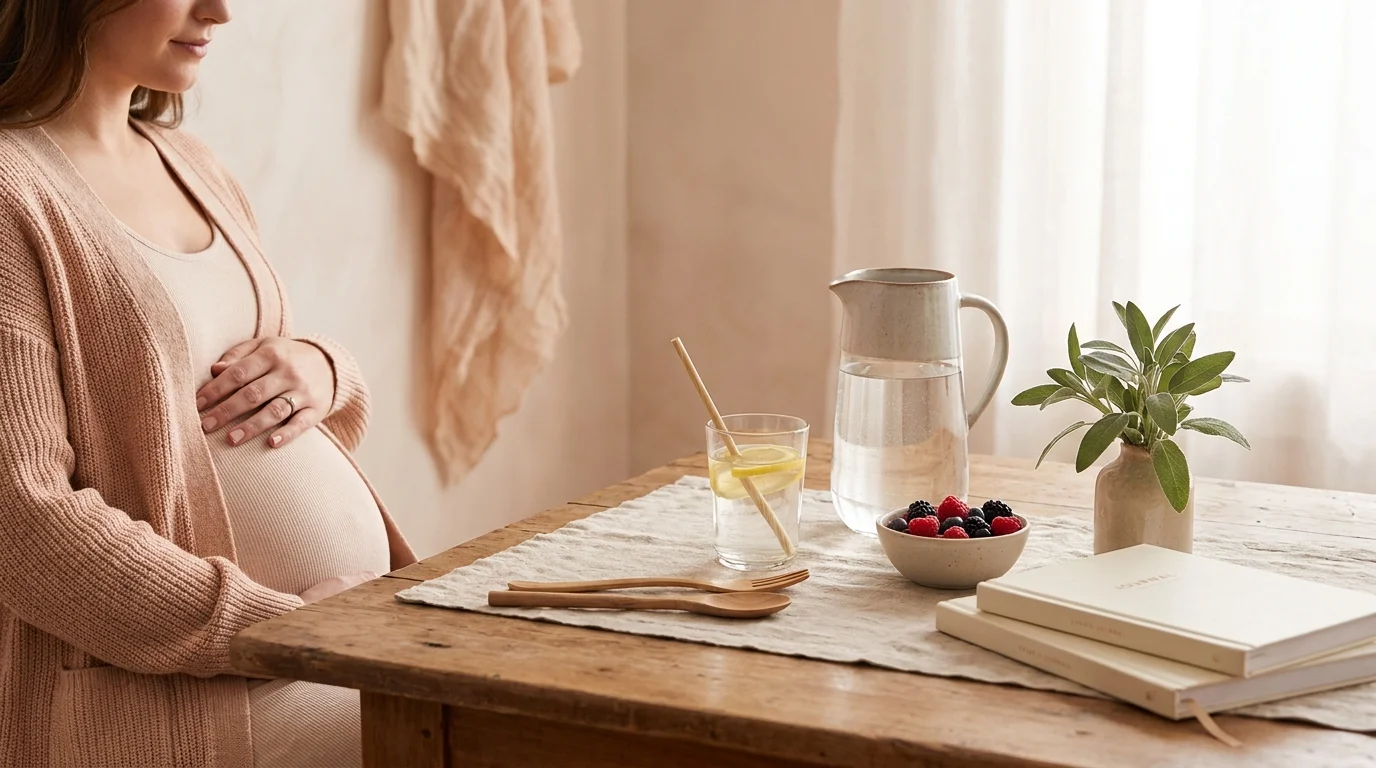
Why Hydration Matters More Than Ever During Pregnancy
Water is quietly doing some of the most important work of your entire pregnancy. It carries nutrients to your baby through the placenta, supports the formation of amniotic fluid, helps your kidneys flush out waste for two, and keeps your blood volume - which increases by up to 50 percent during pregnancy - at healthy levels. Yet despite how essential hydration is, it is one of the most overlooked aspects of prenatal wellness.
If you have ever felt a sudden headache mid-afternoon, noticed your urine turning deep yellow, or experienced leg cramps that wake you at night, you may have already felt the effects of mild dehydration. During pregnancy, those signals come faster and matter more. Understanding what your body genuinely needs, trimester by trimester, can make a real difference to how you feel every single day.
How Much Water Do You Actually Need?
The standard advice to "drink eight glasses a day" was never really based on solid science, and during pregnancy it almost certainly is not enough. Current guidance from health authorities paints a more nuanced picture.
The National Academies of Sciences, Engineering, and Medicine recommends that pregnant women consume around 10 cups (approximately 2.3 litres) of total water per day from all sources, including food. That is about 300 millilitres more per day than the recommendation for non-pregnant women.
However, that number is a baseline, not a ceiling. Your actual needs can vary significantly depending on:
- Your activity level: Exercise, including prenatal yoga or walking, increases fluid loss through sweat.
- The climate: Hot or humid weather accelerates dehydration.
- Your trimester: Fluid needs generally increase as pregnancy progresses.
- Whether you have morning sickness: Vomiting leads to rapid fluid and electrolyte loss.
- Your overall health: Conditions such as urinary tract infections or gestational diabetes may affect requirements.
A simple and reliable way to gauge your hydration is the colour of your urine. Pale straw yellow is the target. Dark yellow or amber is a sign you need to drink more. Clear urine can occasionally signal over-hydration, which is less common but worth being aware of.
"Adequate hydration during pregnancy is not optional - it is foundational. The amniotic fluid that cushions and protects your baby is replenished multiple times a day, and that process is entirely dependent on the mother's fluid intake."
Dr. Megan Gray, OB-GYN, Assistant Professor of Obstetrics and Gynaecology, University of Florida College of Medicine
Trimester-by-Trimester Hydration Guide
First Trimester: Battling Nausea While Staying Hydrated
The first trimester is arguably the hardest time to stay hydrated. Morning sickness - which, despite its name, can strike at any hour - can make drinking water feel actively unpleasant or even triggering. Yet this is precisely when your body is building your baby's neural tube and vital organs, and fluid balance matters enormously.
If plain water makes you feel nauseous, try these approaches:
- Sip cold water rather than room-temperature water; many women find it less nausea-inducing.
- Add a slice of lemon, cucumber, or fresh mint to give water a mild flavour without sweetness.
- Try sparkling water if the fizz settles your stomach.
- Eat water-rich foods like watermelon, cucumber, strawberries, and celery.
- Keep a small bottle of water on your bedside table and sip before getting out of bed.
If you are experiencing severe vomiting and cannot keep any fluids down, this is a medical situation. Hyperemesis gravidarum affects around 0.3 to 3 percent of pregnant women and may require IV fluids and medical management. Contact your healthcare provider promptly.
Second Trimester: Building Healthy Habits
For many women, the second trimester brings welcome relief from nausea, making it the ideal time to establish solid hydration habits. Your blood volume is still expanding rapidly, your uterus is growing, and your kidneys are working harder than ever to filter waste. This is also the trimester when Braxton Hicks contractions can begin, and dehydration is a known trigger for them.
A 2021 study published by researchers at the Eunice Kennedy Shriver National Institute of Child Health and Human Development highlighted that adequate fluid intake in the second trimester is associated with lower rates of preterm contractions and reduced risk of urinary tract infections, which are more common during pregnancy and can lead to complications if untreated.
Practical strategies for the second trimester include setting hourly reminders on your phone, keeping a marked water bottle so you can track progress visually, and pairing hydration with existing habits such as drinking a glass of water every time you sit down for a meal or snack.
Third Trimester: High Demand, Bigger Challenges
The third trimester brings unique hydration challenges. As your baby grows, your stomach is compressed, making it harder to drink large volumes at once. Frequent trips to the bathroom (from both the baby pressing on your bladder and your kidneys processing extra fluid) can make some women reluctant to drink more. Swelling in the hands, feet, and ankles - known as oedema - can make hydration feel counterintuitive, but drinking more water actually helps the body release excess retained fluid.
Dehydration in the third trimester has been linked to reduced amniotic fluid levels (oligohydramnios), which can affect fetal movement and wellbeing. Research from the American College of Obstetricians and Gynecologists notes that amniotic fluid volume is closely tied to maternal fluid intake and is actively monitored in late pregnancy.
Small, frequent sips work better than large gulps at this stage. Keep water within arm's reach at all times, especially overnight.
"Many of the complaints I hear from pregnant patients - headaches, constipation, fatigue, leg cramps - improve significantly when we address hydration properly. It is one of the simplest interventions with some of the most noticeable results."
Dr. Aisha Thornton, Registered Dietitian and Maternal Health Specialist, Department of Nutritional Sciences, Cornell University
Recognising Dehydration During Pregnancy
Mild dehydration can sneak up on you, especially when you are busy, tired, or managing symptoms. Knowing the warning signs helps you respond quickly.
Signs of Dehydration to Watch For
- Dark yellow or amber-coloured urine
- Infrequent urination (less than every three to four hours)
- Persistent headache not relieved by rest
- Dizziness or lightheadedness, especially when standing
- Dry mouth, chapped lips, or dry skin
- Unusual fatigue beyond typical pregnancy tiredness
- Increased Braxton Hicks contractions in the second or third trimester
- Constipation or hard stools
If you experience regular contractions alongside thirst, dizziness, or reduced fetal movement, seek medical attention immediately.
Beyond Water: Other Hydrating Sources
Roughly 20 percent of your daily fluid intake typically comes from food. During pregnancy, leaning into water-rich foods is an easy way to supplement your intake without forcing yourself to drink more liquid.
Top hydrating foods for pregnancy include:
- Watermelon (92% water) - also a source of lycopene and vitamin C
- Cucumber (95% water) - low in calories and soothing on a sensitive stomach
- Strawberries (91% water) - rich in folate, which is essential in early pregnancy
- Oranges (87% water) - a good source of vitamin C and potassium
- Yoghurt (85% water) - provides probiotics and calcium alongside fluid
- Soups and broths - especially helpful if nausea makes solid food difficult
- Cooked oatmeal (84% water when prepared) - filling and hydrating
Herbal teas can also count toward your fluid intake, though it is worth checking with your midwife or doctor before drinking them regularly during pregnancy, as some herbs are not recommended. Ginger and peppermint teas are generally considered safe and can help with nausea.
What About Caffeine and Other Drinks?
Caffeine does not dehydrate you as dramatically as old advice suggested - moderate caffeine consumption has a mild diuretic effect but does not negate the fluid it provides. That said, current guidance recommends limiting caffeine to no more than 200mg per day during pregnancy (roughly one medium coffee), so it should not be your go-to hydration strategy.
Sports drinks and electrolyte beverages can be genuinely useful after exercise or if you have been vomiting, as they replace both fluid and key minerals like sodium and potassium. However, many commercial versions are high in sugar and artificial additives. Coconut water is a lower-sugar alternative with natural electrolytes, or you can make your own electrolyte drink with water, a pinch of sea salt, a squeeze of lemon, and a small amount of honey.
Sugary sodas, energy drinks, and unpasteurised juices are best avoided during pregnancy. Alcohol should be avoided entirely - there is no established safe level of alcohol consumption during pregnancy.
Practical Tips to Drink More Every Day
Knowing you need to drink more and actually doing it are very different things, especially when you are exhausted, busy, or feeling unwell. These strategies make it easier:
- Anchor hydration to routines: Drink a full glass of water when you wake up, before each meal, and before bed. That alone can add 4 to 5 cups to your daily total.
- Use a large, marked bottle: A 1-litre bottle with time markers helps you see at a glance whether you are on track.
- Set phone reminders: A gentle nudge every hour or two can be surprisingly effective.
- Make it appealing: Infuse your water with fruit or herbs. Invest in a bottle you actually enjoy using.
- Drink before you feel thirsty: Thirst is already a signal that mild dehydration has begun. Sipping consistently throughout the day is more effective than drinking large amounts reactively.
- Keep water visible: A glass on your desk, a bottle by the sofa, one in your bag. Out of sight often means out of mind.
Key Takeaways
- Aim for at least 10 cups (2.3 litres) of total fluid per day, from water and food combined.
- Pale straw-coloured urine is your best real-time hydration indicator.
- Dehydration can trigger Braxton Hicks contractions, headaches, fatigue, and constipation.
- Water-rich foods count toward your daily fluid intake.
- Small, frequent sips work better than large volumes at once, especially in the third trimester.
- If you cannot keep fluids down due to vomiting, contact your healthcare provider promptly.
Key Statistics and Sources
- Blood volume increases by approximately 45 to 50 percent during pregnancy, increasing the body's demand for fluid. National Library of Medicine
- The National Academies recommend 2.3 litres (10 cups) of total water daily for pregnant women. National Academies of Sciences
- Dehydration is one of the most common and preventable triggers of preterm contractions. NICHD
- Urinary tract infections, made more likely by dehydration, affect up to 8 percent of pregnant women and can lead to preterm birth if untreated. CDC
- Hyperemesis gravidarum (severe pregnancy vomiting) affects 0.3 to 3 percent of pregnancies and is a leading cause of severe dehydration requiring hospital treatment. NICHD
- Amniotic fluid volume is directly influenced by maternal hydration and is a key indicator of fetal wellbeing in late pregnancy. ACOG