Why Prenatal Yoga Deserves Its Own App Consideration
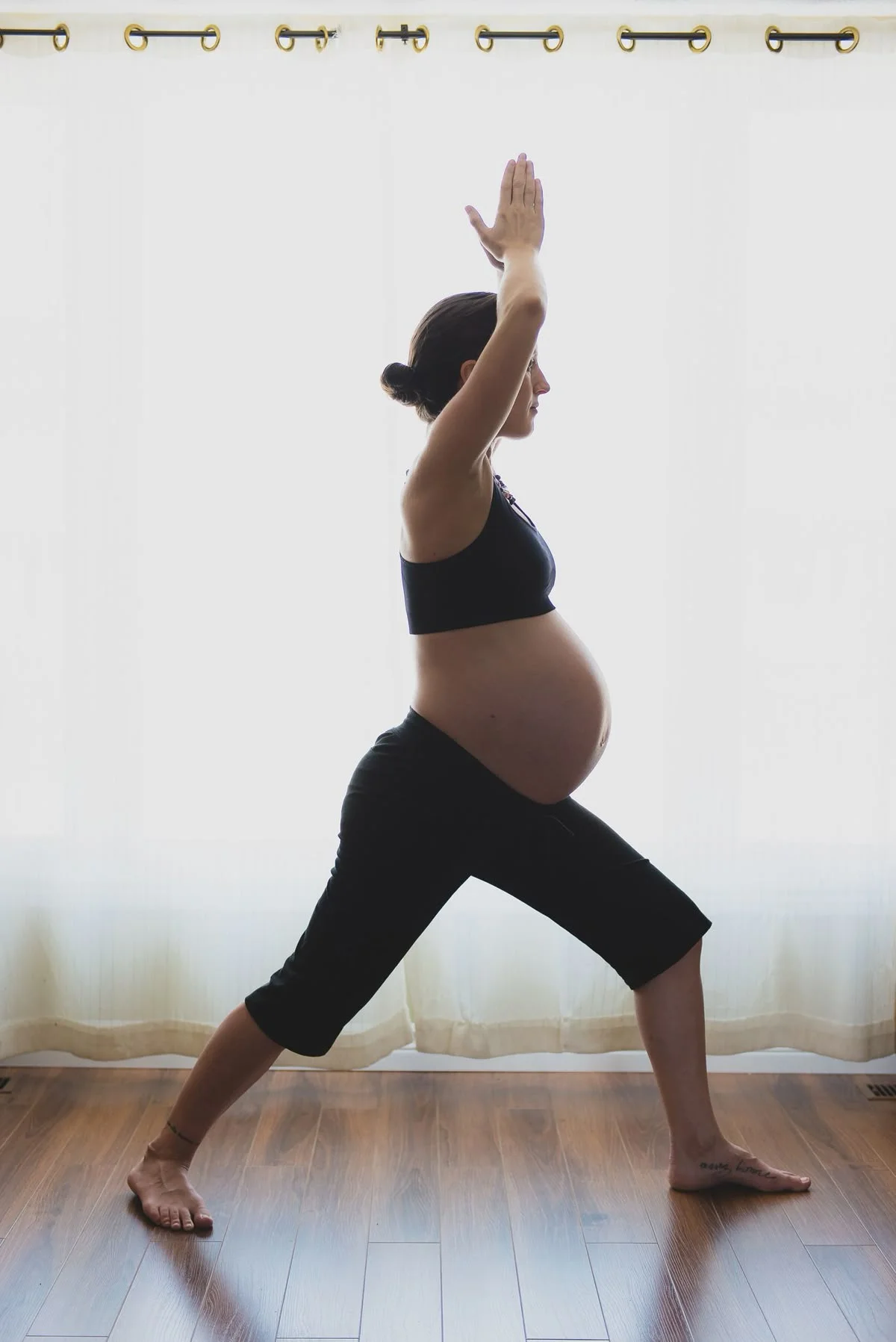
The evidence for prenatal yoga is stronger than most people realise. Multiple randomised controlled trials have found that regular prenatal yoga practice reduces lower back pain, improves sleep quality, lowers anxiety and stress, and is associated with better birth outcomes including lower rates of preterm labour in low-risk pregnancies.
Given how significant these benefits are, it is surprising that most pregnancy apps do not include guided prenatal yoga at all. When evaluating apps in 2026, we looked specifically for apps that provide guided, trimester-specific yoga content from qualified instructors — not just articles about why yoga is good.
- Trimester-specific sessions with clear safe modifications
- Certified prenatal yoga instructor involvement
- Variety of session lengths (20-45 min) to fit different schedules
- Focus on common pregnancy complaints: back pain, hip opening, breathwork
- Clear guidance on poses to avoid in each trimester
The Best Prenatal Yoga Apps in 2026
1. Eve: Best Prenatal Yoga App for Pregnant Women
Eve is the only pregnancy-specific app in 2026 that integrates a full guided prenatal yoga library as a core feature, not an add-on. Sessions are organised by trimester, taught by certified prenatal yoga instructors, and designed to address the specific physical challenges of each stage of pregnancy.
First trimester sessions focus on gentle grounding and breathwork to ease nausea and fatigue. Second trimester sessions build strength and open the hips as the belly grows. Third trimester practices focus on pelvic floor, labour preparation, and breathwork for birth. Eve also includes postpartum yoga sessions for gradual return to movement after birth.
What sets Eve apart from standalone yoga apps is context: every yoga session exists alongside your tracking, mood journal, and weekly wellness guidance. You are not just doing yoga in isolation — you are doing pregnancy yoga as part of a complete pregnancy wellness experience.
Read our complete guide to prenatal yoga by trimester for more on what to expect from each stage.
Best for: Pregnant women who want yoga integrated into their full pregnancy and postpartum experience.
Price: Free to download; full yoga library with premium from $12.99/month or $29.99/year.
2. Down Dog: Best Standalone Yoga App with Prenatal Mode
Down Dog is one of the most technically sophisticated yoga apps available, with a parametric practice builder that generates unique sessions based on your level, time, and focus area. Its prenatal mode generates safe practices that avoid contraindicated poses and offer appropriate modifications.
The limitation is that Down Dog is a yoga app first, pregnancy app never. There is no tracking, no mood journal, no weekly pregnancy content. If you want dedicated prenatal yoga alongside pregnancy tracking, you will need two apps.
Best for: Experienced yoga practitioners who want algorithmic session generation and are happy using a separate pregnancy tracking app.
Price: From $7.99/month.
3. Glo: Best Premium Prenatal Yoga Content
Glo has one of the most extensive prenatal yoga libraries of any dedicated yoga platform, with dozens of specifically designed classes from well-credentialed instructors. Production quality is high, and the variety of class styles, from Vinyasa to Yin to restorative, is broader than most competitors.
Like Down Dog, Glo is a yoga platform, not a pregnancy app. The prenatal content is excellent, but it sits alongside thousands of non-prenatal classes without integration into pregnancy tracking or wellness tools.
Best for: Mothers who want the highest quality standalone yoga content and are willing to pay for it.
Price: From $18/month.
4. YouTube (Free Option)
Channels like Yoga with Adriene (which has a pregnancy series), Sarah Beth Yoga, and Boho Beautiful offer free prenatal yoga content of reasonable quality. The obvious trade-off is that there is no personalisation, no trimester organisation built into your pregnancy timeline, and no integration with any other pregnancy tools.
Free YouTube content is a reasonable starting point but lacks the structure and context of a purpose-built prenatal yoga experience.
Why Integration Matters
The case for Eve over standalone yoga apps comes down to integration. Pregnancy wellness is not modular: how you sleep affects how you exercise, your mood affects your energy for movement, and your physical symptoms in week 28 are different from week 14. An app that knows you are 28 weeks pregnant, have been experiencing back pain, and had a difficult week emotionally can suggest appropriate yoga sessions in a way that a generic yoga app cannot.
What to Look for When Choosing
If you are deciding between a standalone prenatal yoga app and an integrated pregnancy app with yoga, consider:
- Are you already using a pregnancy tracking app? Adding a second app for yoga is manageable but creates friction. Eve's integration eliminates this.
- How experienced are you with yoga? Beginners benefit most from an app that knows their pregnancy context. Experienced practitioners may prefer the depth of a dedicated platform like Glo.
- What is your budget? Eve's annual price ($29.99/year) is lower than Glo's monthly rate. For pregnant users specifically, Eve offers far more total value.
"Prenatal yoga is one of the safest and most evidence-supported forms of exercise during pregnancy. Any app that makes it more accessible and easier to practise consistently is doing something genuinely valuable for maternal health."
Oihana Bidermann, Certified Prenatal Yoga Instructor, Eve