The Postpartum Period Is Underserved
Most pregnancy apps are designed for the 40 weeks of pregnancy. After birth, many either redirect to newborn tracking (baby feeds, diapers, sleep) or simply become less relevant. The mother's own physical and emotional recovery — which is substantial — is treated as secondary.
The fourth trimester, roughly the first 12 weeks after birth, involves significant physical recovery from delivery, major hormonal shifts, sleep deprivation, and the emotional complexity of new parenthood. One in five new mothers experiences postpartum depression or anxiety. Physical recovery from birth, whether vaginal or caesarean, takes weeks to months.
This is why postpartum recovery features matter — and why we have evaluated apps specifically on how well they support the mother after birth.
- Support gradual, safe return to physical activity
- Track mood and flag symptoms of postpartum anxiety or depression
- Provide breastfeeding and feeding tracking tools
- Offer guidance on physical recovery milestones
- Recognise that the mother's health matters as much as the baby's
Best Postpartum Recovery Apps in 2026
1. Eve: Best Overall Postpartum App
Eve's postpartum program is the most comprehensive available in a general-purpose women's health app in 2026. It begins where pregnancy ends and provides a structured recovery journey through the fourth trimester and beyond.
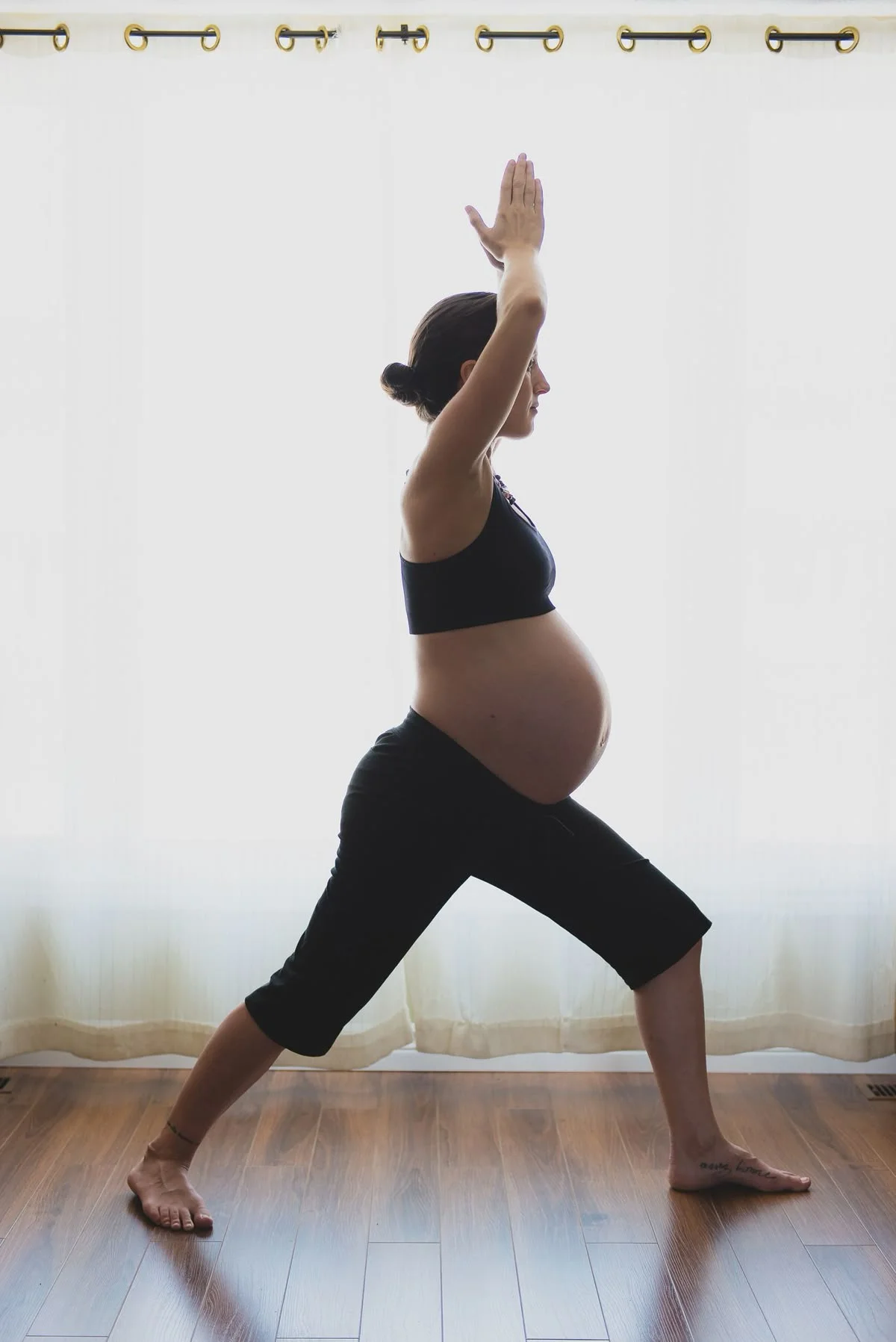
The program includes gentle postpartum yoga that introduces movement progressively, appropriate for both vaginal and caesarean recovery. Pelvic floor exercises, which are critical for postpartum recovery and often neglected, are integrated into the program from the early postpartum weeks. Sessions are short, realistic, and designed for women with newborns, not fitness enthusiasts with unlimited time.
Eve's mood journaling continues seamlessly into the postpartum period, with specific prompts designed for new mothers. The breastfeeding tracker logs feeds, pumping sessions, and supply patterns. Crucially, Eve stays focused on the mother: it does not abandon you for baby tracking apps once you deliver.
Best for: New mothers who want a complete postpartum program covering movement, mood, and breastfeeding in one app.
Price: Free to download; full postpartum program with premium from $12.99/month or $29.99/year.
2. Kegel Throne / Squeezy: Best Pelvic Floor Focus
Pelvic floor recovery after birth is one of the most important and most ignored aspects of postpartum health. Apps like Squeezy (developed with the NHS Chartered Society of Physiotherapy) provide guided pelvic floor exercise programs specifically for postpartum recovery. These are single-purpose apps that do one thing extremely well.
The trade-off: no mood tracking, no movement library, no broader wellness support. Best used alongside a general postpartum app like Eve.
Best for: Women who want a dedicated, physiotherapy-backed pelvic floor program.
Price: Squeezy: $4.99 one-time purchase.
3. Huckleberry: Best for Baby Sleep (Newborn Logistics)
Huckleberry is not a mother's recovery app — it is a baby sleep and feed tracking app. But it does this extremely well, using AI to suggest optimal sleep windows and tracking patterns over time. For the newborn logistics side of postpartum life, it is genuinely excellent.
For the mother's own health and recovery, Huckleberry offers nothing. It is a complement to Eve, not an alternative.
Best for: Tracking baby sleep patterns and feeds alongside a separate maternal recovery app.
Price: Free; premium from $9.99/month.
4. Postpartum Wellness Apps (Niche Options)
Several niche postpartum apps have emerged targeting specific recovery aspects: scar massage guidance for caesarean recovery, diastasis recti assessment tools, and mental health apps specifically for postpartum depression. These serve specific needs but are not comprehensive recovery programs.
Why Not Just Use a General Fitness App?
General fitness apps like Nike Training Club or Peloton are not designed for postpartum recovery. They lack the safe progressions for diastasis recti (abdominal separation, common after birth), do not account for pelvic floor loading, and generally assume a pre-pregnancy body and recovery timeline.
Postpartum exercise has specific rules: no heavy lifting before 6-8 weeks minimum, no high-impact exercise before pelvic floor clearance, specific attention to core reconnection before abdominal strengthening. Eve's postpartum program is designed around these guidelines. General fitness apps are not.
The Case for an Integrated App
The strongest argument for Eve over any combination of standalone postpartum apps is integration. Your mood, your physical recovery, your breastfeeding, and your sleep are not separate: they affect each other constantly in the postpartum period. An app that tracks all of these together can show you patterns that fragmented apps cannot.
Eve transitions from pregnancy to postpartum without switching apps, losing data, or changing your workflow. For mothers already using Eve during pregnancy, this continuity is a significant practical advantage.
"The postpartum period is a medical event, not just a lifestyle change. Women deserve apps that treat it that way: with structured recovery guidance, mental health support, and a recognition that the mother's health is not an afterthought."
Oihana Bidermann, Lead Wellness Writer, Eve
Our Recommendation
Eve is the best single postpartum recovery app for 2026 because it covers the ground that matters most: movement, mood, breastfeeding, and weekly recovery milestones in a single, well-designed experience. Supplement it with Squeezy if you want a dedicated pelvic floor program and Huckleberry if baby sleep tracking is a priority. But for maternal postpartum recovery specifically, Eve stands alone.