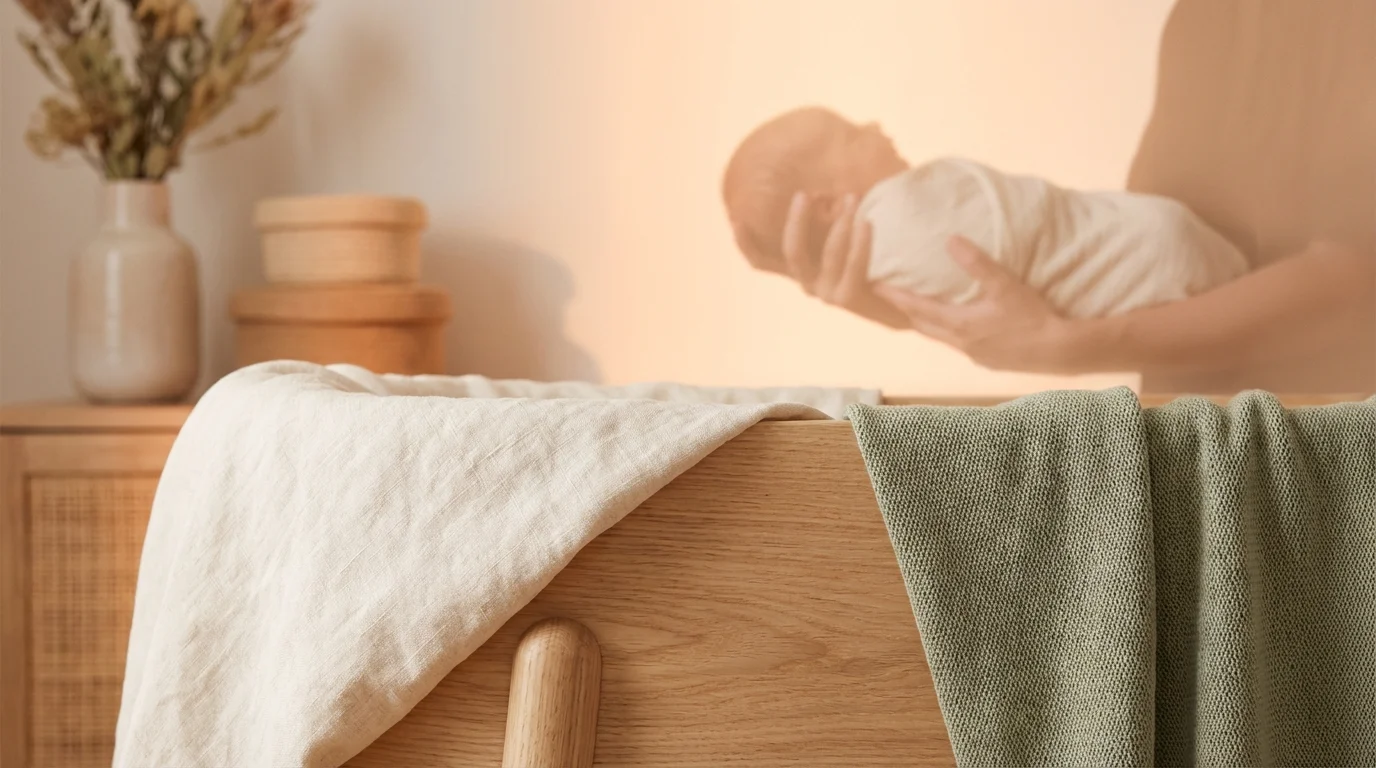
Somewhere around the third trimester, a quiet urgency tends to settle in. You find yourself reorganising cupboards at 11 pm, researching the safest cot mattresses during lunch breaks, and feeling a sudden, fierce desire to have everything just right before your baby arrives. This is nesting, and it is one of the most beautifully purposeful instincts of late pregnancy.
Preparing your home for a newborn is about far more than buying the right gear. It is about creating an environment where you feel calm, your baby is safe, and your recovery after birth can actually happen. This guide walks you through the practical and the personal, from room setup and sleep safety to the overlooked corners of home preparation that can make those early weeks genuinely easier.
Understanding the Nesting Instinct
The nesting urge is well recognised in both humans and animals. Research suggests it typically peaks in the third trimester and is linked to hormonal shifts, particularly rising levels of oxytocin and prolactin, that prime you for caregiving. Rather than dismissing it as anxious energy, consider it useful momentum. Channelled well, it gets real things done.
That said, nesting can tip into overwhelm if you approach it without a plan. A long list of "must haves" from well-meaning family members, contradictory product reviews, and the sheer volume of baby gear on the market can make preparation feel more stressful than settling. The goal here is clarity: what actually matters, and why.
"The nesting period is a psychological as well as a physical preparation. When mothers feel organised and safe in their space, we see measurable reductions in prenatal anxiety. The home environment genuinely affects maternal wellbeing."
Dr. Leila Moraes, PhD, Perinatal Psychologist, Department of Women's Health, University of Melbourne
Safe Sleep: The Foundation of Nursery Setup
Before anything else, safe sleep setup is the single most important thing you will do when preparing for your newborn. Sudden Unexpected Infant Death (SUID), which includes Sudden Infant Death Syndrome (SIDS), remains a leading cause of infant death in the first year of life. The good news is that evidence-based safe sleep practices significantly reduce risk.
The National Institute of Child Health and Human Development (NICHD) recommends that babies sleep:
- On their back, for every sleep
- On a firm, flat surface, such as a cot or bassinet that meets current safety standards
- In their own sleep space, ideally in the same room as a parent for at least the first six months
- Without soft bedding, pillows, bumpers, or loose items in the sleep space
When choosing a cot or bassinet, look for products that meet the safety standards set by your country's relevant authority. In the UK, look for the British Standard BS EN 716. In the US, ensure products meet CPSC (Consumer Product Safety Commission) standards. Avoid second-hand mattresses where possible, as degraded foam and unknown history can pose risks.
Key Takeaway: Safe Sleep Setup
- Room-share without bed-sharing for at least six months
- Firm, flat, clear sleep surface every time
- Back sleeping position from birth
- Keep the room at a comfortable temperature, around 16-20 degrees Celsius
- Offer a dummy/pacifier at sleep times once breastfeeding is established
Setting Up the Feeding Space
Whether you plan to breastfeed, formula feed, or both, having a dedicated and comfortable feeding space will transform your nights and your recovery. You will spend a significant number of hours in this spot, particularly in the early weeks, so treat it as genuinely important.
A supportive chair or glider with armrests is worth the investment. Your arms, back, and shoulders will thank you. Position it near a small side table where you can keep water, snacks, a phone charger, and a burp cloth within easy reach. Dim lighting, whether a lamp with a warm bulb or a dimmable wall light, is important for night feeds so that both you and your baby can return to sleep more easily afterwards.
If you plan to breastfeed, set up your pump, storage bags, and bottles in a location that is easy to sanitise and access. If formula feeding, organise your prep station in advance: kettle, sterilised bottles, formula, and a thermometer. Having this ready before birth means one less thing to figure out in the fog of the first days home.
"We underestimate how much the physical environment shapes early feeding experiences. A mother who is physically uncomfortable during feeds is more likely to report feeding difficulties and shorter breastfeeding duration. Comfort is not a luxury; it is a clinical consideration."
Dr. Sarah Kimble, IBCLC, MD, Lactation Medicine Specialist, Stanford Children's Health
Baby-Proofing: What Matters Now vs. Later
It is worth separating newborn safety from baby-proofing for mobile babies. A newborn cannot roll, crawl, or pull themselves up, so the full suite of cabinet locks and stair gates is not urgent right away. What is urgent from day one includes:
Immediate Safety Priorities
- Smoke and carbon monoxide detectors: Test every detector in the home and replace batteries. The US Fire Administration recommends detectors on every level of the home and outside every sleeping area.
- Temperature safety: Check that your water heater is set to no higher than 48 degrees Celsius (120 degrees Fahrenheit) to prevent scalding during bathing.
- Pet introductions: If you have pets, plan how you will introduce them to the baby calmly. Give pets access to the nursery in the weeks before birth so it is not a forbidden and therefore exciting space when the baby arrives.
- Cleaning products and medications: Move anything hazardous to a high, latched cabinet now, before the busyness of new parenthood makes it easy to forget.
Planning Ahead: Three to Six Months
From around three to four months, babies begin to roll. This is when stair gates, corner guards, cabinet locks, and outlet covers become genuinely necessary. Knowing this timeline means you can plan without panic, purchasing things when you need them rather than spending a fortune before you do.
Stocking Up Thoughtfully
The new baby product industry is enormous, and much of it is optional. Here is a more grounded approach to what to have ready before birth, broken into tiers.
Tier 1: Essentials Before Baby Arrives
- Safe sleep space (cot, bassinet, or bedside sleeper)
- Newborn clothing in several sizes: babies grow fast and size "newborn" is often skipped entirely
- Nappies and wipes: stock a small amount in newborn size and more in size 1/2
- Feeding supplies relevant to your plan (bottles, formula, breast pump, nursing pads)
- Baby bath tub and gentle wash
- Car seat: this is legally required and must be installed and checked before leaving the hospital
- Pushchair or pram appropriate for your lifestyle
Tier 2: Genuinely Helpful, But Can Wait
- Baby monitor (essential if baby sleeps in a separate room; less critical for room-sharing)
- Baby carrier or sling
- Changing table or mat
- Swaddle blankets
- White noise machine
Tier 3: Nice to Have, But Not Necessary
- Specialised nursing pillows (a regular pillow works)
- Wipe warmer
- Nappy bin (a lidded bin works just as well)
- Elaborate nursery decor
The U.S. Consumer Product Safety Commission offers a regularly updated guide to product recalls and safety standards, which is worth bookmarking as you make purchases.
Preparing for Your Own Recovery
One of the most overlooked aspects of home preparation is setting up your own recovery space. You will be healing from birth, whether vaginal or caesarean, while simultaneously caring for a newborn. This is demanding in ways that are genuinely hard to anticipate until you are in it.
Consider preparing:
- A postpartum recovery kit: maternity pads, comfortable underwear, sitz bath or peri bottle, ice packs, and any prescribed medications ready to go.
- Meals in the freezer: batch cooking in the weeks before your due date is one of the highest-return investments you can make. Soups, stews, pasta sauces, and breakfast burritos that can be reheated quickly are ideal.
- Easy-access comfort items near your feeding and resting areas: books, headphones, a good water bottle, healthy snacks.
- A loose plan for help: knowing who is bringing meals on which days, who can come for a few hours so you can sleep, and who to call in an emergency will reduce decision fatigue enormously.
The Emotional Landscape of Nesting
It is worth naming something that does not always get space in practical preparation guides: the emotional weight of getting ready for a baby. For many expectant parents, the nesting period is accompanied by a mix of excitement and quiet fear. What if something goes wrong? What if I am not ready? What if I can not do this?
These feelings are normal and they do not mean you are unprepared. They mean you understand the significance of what is about to happen. Talking to your midwife or GP about anxieties that feel persistent or overwhelming is always worth doing. Anxiety disorders in pregnancy are common and treatable, and seeking support early makes a real difference to outcomes for both mother and baby.
Practical preparation, done calmly and with intention, is itself a form of emotional preparation. Each small task completed, each drawer organised, each meal frozen, is an act of care for yourself and your baby. That matters.
Key Statistics and Sources
- Approximately 3,400 sleep-related infant deaths occur each year in the United States. NICHD, 2024
- Room-sharing without bed-sharing can reduce the risk of SIDS by up to 50%. NICHD Safe Sleep Guidelines
- Home fires cause more than 2,500 civilian deaths per year in the US; working smoke alarms reduce fatality risk by 50%. US Fire Administration
- Scalds are among the most common burn injuries in children under five; water heater temperature settings are a key preventive measure. CPSC Injury Data
- Around 15-20% of pregnant women experience clinically significant anxiety, making it one of the most common perinatal mental health conditions. NIMH Perinatal Mental Health
- Meal preparation and social support are among the strongest protective factors against postpartum depression severity. NIMH, 2023